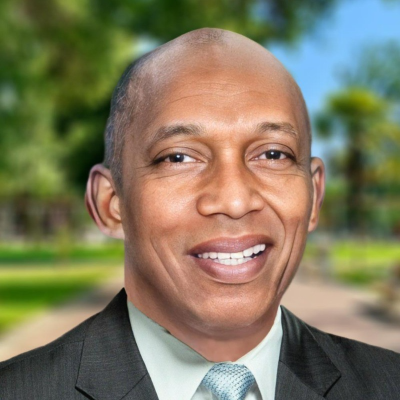
Calvin Turner
VP, Systemwide Shared Services University of CaliforniaMain Day One: Wednesday, September 16, 2026
3:00 PM Workshop C: Reorganizing Leadership to Scale Shared Services Impact
As shared services expand, complexity multiplies. New functions are added, stakeholder groups grow, and legacy structures strain under broader mandates. What once worked for a focused, early-stage operating model can, quietly, reinforce silos, fragment accountability, and dilute the enterprise promise of shared services. At a certain point, incremental process fixes are no longer enough. Leadership and the organizational structure itself must be redesigned.
In this hands-on workshop, the Interim VP of University of California's Systemwide Shared Services shares the organization's transformation journey as the alignment of the UC Retirement Administration Service Center (RASC) and UCPath (UC's HR systems, personnel, and benefits administration service center) under a single business unit became the catalyst for structural change. Facing growing demand, increased span of control, heightened scrutiny, and the need for tighter cross-functional coordination, UC reexamined its shared services model, and functional organizational and decision-making structure. The result was not simply a reshuffle of reporting lines, but a deliberate shift towards a systemwide shared services approach to stronger alignment across the hire-to-retire employee experience.
Key Takeaways:
· Examine the strategic inflection point that made shared services functional and structural realignment a logical next step for UC shared services.
· Deconstruct the structural and cultural changes that clarified decision rights, strengthened cross-functional accountability, and reduced duplication across functions.
· Apply a practical framework to assess whether your current leadership model enables a forward-thinking and customer-obsessed organization and identify where redesign may be necessary to optimize operational performance and unlock greater institutional value.
Check out the incredible speaker line-up to see who will be joining Calvin.
Download The Latest AgendaIn Partnership With:

QUESTIONS?
Contact us: 1-800-882-8684
Email: enquiry@iqpc.com

©2026 IQPC. All rights reserved.