Conference Day 1 - Tue, 15 Sept
9:00 am - 9:10 am
Chair's Opening Remarks
Stephanie Watson -
Director, Corporate Banking,
HSBC


Future of Finance 2026 Leader’s Morning
9:10 am - 9:40 am
C-SUITE PANEL: Finance’s Role in Enabling Enterprise-Wide Transformation
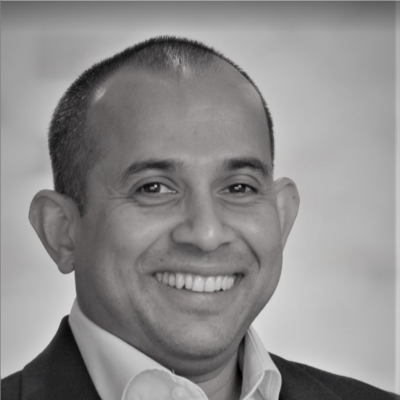
Rohan Liyanage -
Chief Financial Officer,
OTIS Elevator Co
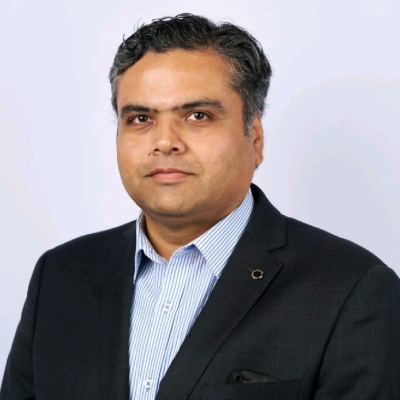
Amit Doshi - CFO, Sony Australia & New Zealand, Sony Australia & New Zealand
Ashwini Shankar - CFO, Naati
Key Takeaways:
- Positioning finance as the engine behind enterprise transformation
- Funding innovation while maintaining financial discipline and accountability
- Aligning finance, technology, and operations around shared transformation goals
- Measuring transformation success through enterprise value creation




9:40 am - 10:10 am
The CFO Business Case Blueprint: Building the Financial Case for Tech Transformation in the Age of AI
Jaime Enriquez -
Group Head of Strategy & Transformation,
Fusion5
The business case for technology transformation has always been hard to get right. Every CFO has experienced it firsthand - promises were bold, the budget was approved, and yet the returns never quite materialised. So why should this time be any different?
The answer lies in how fundamentally the modernisation formula has changed. Today's ERP is the foundation for an AI-first business; agentic workflows, narrative insights, and tools that turn data into action can now deliver returns that simply weren't possible before.
We'll challenge the traditional business case and present a practical blueprint covering what it means to put AI at the centre of your business, driving faster ROI and stronger benefits realisation.
Sponsored by: Fusion5



10:10 am - 10:30 am
Speed Networking
Fast, focused, and energising — speed networking is your chance to meet fellow attendees, exchange ideas, and spark new collaborations with your Finance professionals.
10:30 am - 11:10 am
LEADERSHIP PANEL: From Number Crunchers to Value Creators – Rethinking Finance's Future
Kinjal Mehta -
Business Finance Leader,
Decathlon
Victor Lobé - Finance Director ANZ, Trane Technologies
Brad McCaig - State Manager (Victoria) - Commercial Finance and Operations, IKEA Australia
Asfahan Ahmed - Global Finance Transformation & Project Management Office Head, Novartis
Tarek Hamdi - Head of Finance, Allianz Retire+
Key Takeaways:
- Transitioning finance from transactional reporting to strategic value creation
- Strengthening finance's role in business partnering and enterprise decision-making
- Building finance teams with analytical, digital, and strategic capabilities
- Embedding data-driven insights into organisational strategy and performance










Morning Break
11:10 am - 11:40 am
Morning Recharge in the Expo
Interactive Discussion Groups: Unscripted. Unfiltered. Unmissable.
11:40 am - 1:10 pm
IDG A: Modernising Finance Operations – From ERP to Automation
How finance leaders are upgrading legacy systems, automating workflows, and aligning their tech stack to support speed, accuracy, and scalability.
11:40 am - 1:10 pm
IDG B: Finance + AI – Navigating the Agentic Era
Yulia Didenko -
Technology Business Partner - Finance,
The Lottery Corp


11:40 am - 1:10 pm
IDG C: Data-Driven Decisioning – Turning Insight into Impact
Yvonna Gammie -
Head of Corporate Development,
Pepper Money ANZ


11:40 am - 1:10 pm
IDG D: From Transformation to Execution – Delivering What’s Next
Lunch
1:10 pm - 1:30 pm
FUTURE OF FINANCE AWARDS: Finance Transformation Innovator Award
A moment to pause and celebrate before lunch — recognising the organisation that has reimagined its finance function through bold, practical transformation. This award honours the team that has redefined how finance operates: rethinking operating models, embedding new capability, and delivering measurable business impact.
Early Afternoon
CFO Boardroom
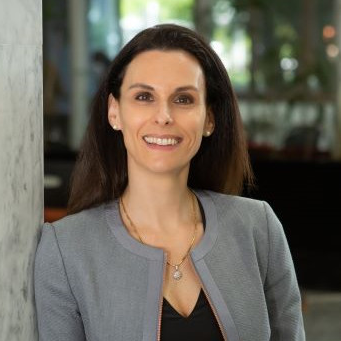
2:30 pm - 3:00 pm Panel Discussion: The Expanding CFO Mandate: Where Does Finance Leadership End and Enterprise Leadership Begin? Amit Doshi - CFO, Sony Australia & New Zealand, Sony Australia & New ZealandFrancoise Merit - Chief Financial Officer, Endeavour Energy
Key Takeaways:
- How the CFO role has structurally shifted, and what that actually means day-to-day
-Navigating the tension between running a high-performing finance function and being pulled into broader organisational strategy
- Managing board and CEO expectations of the CFO that have outpaced the function's current capability to deliver
- What the next generation of CFO leadership looks like, and whether the pipeline is ready

CFO Boardroom
3:10 pm - 3:40 pm Panel Discussion: The CFO and the Board: Navigating a Relationship That's Never Been More Complicated Mihir Bhatt - Chief Financial Officer - ANZ, WPP MediaRohan Liyanage - Chief Financial Officer, OTIS Elevator Co
How board expectations of the CFO have evolved
• Managing the tension between transparency and confidence when the future is uncertain
• What good looks like when it comes to CFO-board communication in a period of volatility and rapid technological change
• Where CFOs feel most exposed in their board relationships right now, and what they're doing about it


Tech-Enabled Finance – Data, Platforms & Predictive Power
2:30 pm - 3:10 pm Panel Discussion: From Insight to Influence - Finance as a Digitally Enabled Strategic Partner Yenny Dewi - Global Finance Transformation Decision Support Analytics Strategy Lead (Ds & A), SanofiAmanda Tay - Head of SME, ING
Ayla Bloomberg - Chief Financial Officer for Australia, New Zealand, and India, American Express
Rathi Sahai - Finance Director, Westpac Institutional Banking, Westpac
Key Takeaways:
- Modernising finance data architecture and digital platforms
- Creating integrated systems that enable real-time visibility and insights
- Developing digital fluency and technology capability within finance teams
- Leveraging data platforms to support faster and smarter decision-making

Yenny Dewi
Global Finance Transformation Decision Support Analytics Strategy Lead (Ds & A)Sanofi




Ayla Bloomberg
Chief Financial Officer for Australia, New Zealand, and IndiaAmerican Express



Tech-Enabled Finance – Data, Platforms & Predictive Power
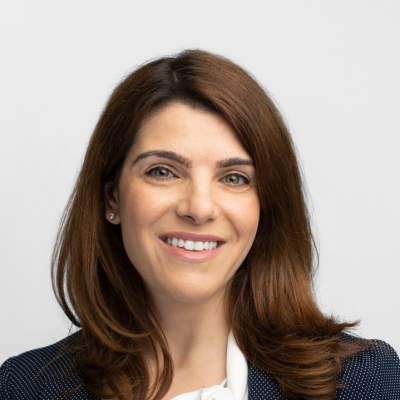
3:10 pm - 3:40 pm Panel Discussion: Tech x Finance – Orchestrating Analytics, Automation and Strategic Impact Annette Dal Pra - Head of Finance - Cement, BoralJodie Obst - GM, NOHC Finance & Reinsurance Operations, Resolution Life Group Holdings
Key Takeaways:
- Moving beyond annual project-based budgets toward continuously funded teams
- How persistent funding models keep projects agile by allocating capital dynamically based on outcomes rather than upfront estimates
- Integrating financial planning to enable real-time reallocation and reduce the cost of change
- Embedding finance as a strategic partner in enterprise decision-making



Afternoon Break
3:40 pm - 4:40 pm
Afternoon Recharge in the Expo
Late Afternoon
CFO Boardroom
4:10 pm - 4:40 pm CFO Think TankCFO Boardroom
4:40 pm - 5:10 pm CFO: Think TankKey Takeaways:
- The internal pressure to move fast on AI, the board expectations, the vendor promises, and the CFO's role in signing off on a business case that proved overcooked
- What went wrong: data quality issues, change resistance, process gaps, and a technology implementation that solved for the wrong problem
- The difficult conversation with the board and executive team when the numbers didn't materialise, and how trust was rebuilt
- A more rigorous framework for evaluating, approving and governing AI investment in the finance function going forward
Finance Transformation in Action – Models, Talent, Execution
4:10 pm - 4:40 pm The Case for Transformation is Clear, or Is It? Joshua Carless - General Strategy Manager, QBE InsuranceReading the Landscape: What's Happening, and How Strategists Can Respond
- Understand the forces reshaping industries, from AI and robotics to converging technologies
- Discover why strategic preparedness may be more important than predicting the future
- Learn practical frameworks for building competitive advantage, investing in capabilities and transform with measurable impact


Finance Transformation in Action – Models, Talent, Execution
4:40 pm - 5:10 pm Panel Discussion: Agile Finance Teams – Building Skills and Structures for Continuous Change Stephannie Jonovska - Head of Finance Operations and Transformation, BlueScopePrafull Jha - Finance Director - ANZ, Diversey
Key Takeaways:
- Scaling finance transformation initiatives across large organisations
- Balancing governance, agility, and operational efficiency
- Embedding digital capabilities while maintaining financial discipline
- Sustaining long-term value from finance transformation investments