DRIVING END-TO-END TRANSFORMATION THROUGH GBS
Pre-Conference Workshops & GPO Leaders Programme: Tuesday 20th October
WORKSHOP A - D
Economic volatility, AI disruption, rising stakeholder expectations and relentless pressure to do more with less are exposing the limits of traditional shared services models. Hosted by Proservartner, this interactive workshop will explore what it really takes to evolve from functional Shared Services to GBS. Through practical examples, peer discussion and proven transformation approaches, attendees will examine the operating models, governance structures, and leadership decisions needed to build a more integrated, agile and value-driven organisation.
• Attendees will learn how to:
• Improve enterprise agility by breaking down functional silos and adopting an integrated GBS operating model
• Deliver better business outcomes by establishing end-to-end process ownership across functions
• Create greater value from digital investments by aligning automation, AI and analytics with business priorities
• Strengthen governance and accountability by implementing enterprise-wide service management structures
Sponsored by: Proservartner


Intelligent automation transforms routine tasks into streamlined, data-driven workflows, freeing teams to focus on higher-value work. Yet many initiatives stall in the pilot phase because you cannot automate what you cannot see.
This hands-on workshop explores how Process Intelligence uncovers the work hidden across emails, shared inboxes, CRM, and ERP systems, creating a trusted foundation for automating order-to-cash and other shared-services processes.
• Live client demonstration of Process Intelligence
• A practical roadmap from Process Intelligence to intelligent automation at scale
• Real-world examples of shared-services automation
Sponsored by: Tekst



Finance teams face growing pressure to close faster, improve insight and control complexity while preparing for AI-enabled operations. Yet fragmented processes, inconsistent standards, weak journal discipline and unreliable reconciliation data can limit automation's value and increase risk. This workshop explores the practical foundations needed to make R2R AI-ready, connecting process discipline, data quality, orchestration and controls to safe, scalable automation and a more resilient close.
• Strengthen journal discipline by identifying the controls and standards needed for reliable automation
• Improve reconciliation integrity by addressing root causes of incomplete, inconsistent or unreliable balance sheet data
• Create greater process consistency by identifying where standardisation can enable automation at scale
• Build stronger orchestration by connecting activities, controls and dependencies across the close
• Prepare for agentic adoption by prioritising the foundational improvements that enable safe, scalable use of AI


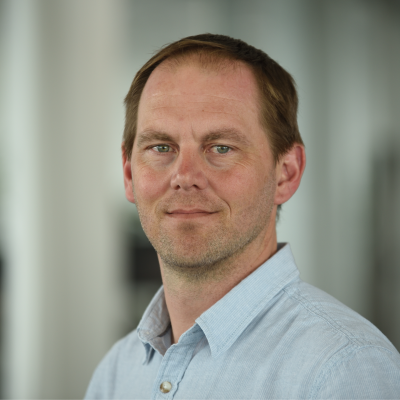
Miroslav Dub - Head of Smart Process, Siemens AG
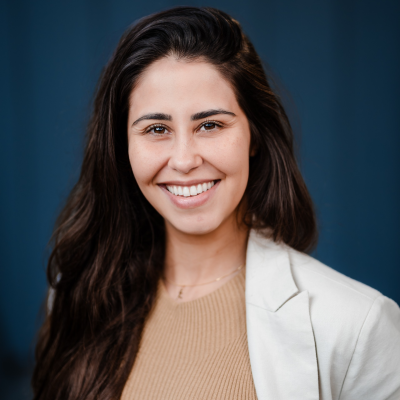
Luisa Bernardes Vargas Lopes - Business Excellence Professional, Siemens
This workshop will take you through Siemens tried and tested Value Stream Map, a lean management tool used to visualise and analyse the flow of steps/ information required to bring a product to the customer. Its purpose is to identify waste, improve efficiency and support continuous improvement. This workshop will teach you the techniques needed to identify the value-add vs non-value add process steps, enable the value-add steps for increased efficiency and explore how to remove the non-value add steps from the process.

11:00 am - 11:30 am
MORNING NETWORKING BREAK
WORKSHOPS E - H
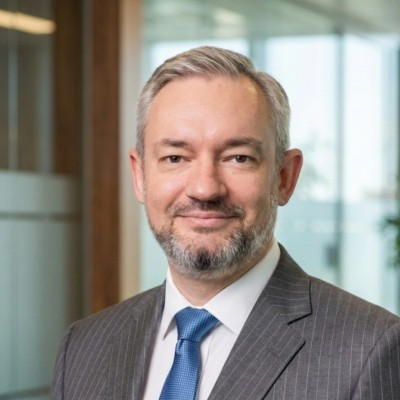
Paweł Płocki - Associate Partner, Adaptive Group
• The translation gap that kills 7 out of 10 IT implementations - and why AI closes it
• What GBS Ops teams are already building themselves, in days, not months
• The new dividing line between what business builds and what IT governs
For decades, the biggest bottleneck in GBS transformation wasn't a lack of ambition - it was the translation chain between business and IT, where good ideas got lost with every handoff. AI-assisted no-code and low-code tools flip that model: operations teams now build the solutions they actually need, instead of waiting in an IT backlog for months. This session shows what that shift means in practice - and where the new dividing line falls between what business builds and what IT governs.
Sponsored by: Adaptive Group LTD




Order-to-cash and Accounts Receivable teams are under growing pressure to improve cash flow, reduce Days Sales Outstanding (DSO), and scale operations—often with limited capacity. While automation has delivered incremental gains, many processes remain manual, fragmented, and dependent on human intervention.
Agentic AI represents the next leap forward moving beyond task automation to intelligent agents that can actively manage workflows, make decisions, and drive outcomes across the O2C lifecycle.
This interactive workshop cuts through the noise to explore where agentic AI delivers real, measurable value today. You will discover how forward-thinking Shared Services and GBS leaders are embedding AI agents into credit, billing, collections, and dispute management—while maintaining governance, control, and compliance.
Why Attend:
Leave with a clear, practical roadmap for adopting agentic AI in your O2C processes—plus the guardrails needed to deploy confidently and deliver measurable business outcomes.
Sponsored by: Paraglide.ai

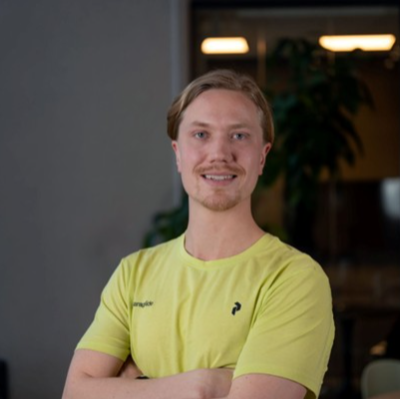

Stefanie Ballof - Senior Expert Change Management & Communication | Strategy, Governance & Transformation Office, Merck KGaA
Big transformations rarely fail on ambition; they fail in execution. Messages don’t land, influencers aren’t engaged, priorities blur, and employees tune out. This highly practical workshop from Merck tackles the messy reality of change: how to cut through noise, mobilise the people who actually drive adoption, sharpen what you’re asking for, and make change feel worth it across cultures, using tools you can apply the very next day. Review the 4 guiding principles to change management:
1. Creating effective global communication pathways
2. Identifying the key multipliers in the organisation
3. Setting a strong strategy and message for the organisation
4. Making change attractive to employees
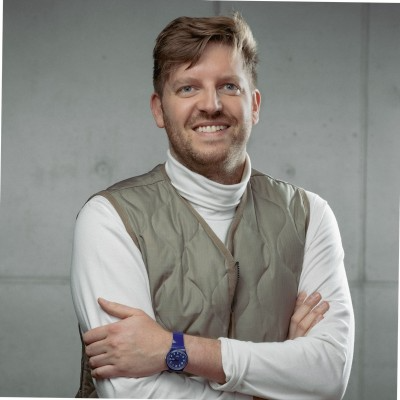
Jan Derek Gill
Head of Change and Communications, Digital Enterprise Solutions (DES)Merck Group

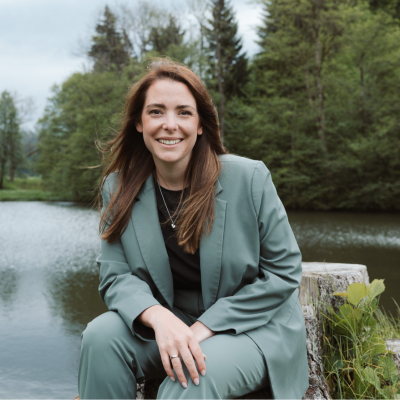
Stefanie Ballof
Senior Expert Change Management & Communication | Strategy, Governance & Transformation OfficeMerck KGaA

1:00 pm - 2:00 pm
NETWORKING LUNCH
GPO LEADERS PROGRAMME
2:00 pm - 2:30 pm CASE STUDY: REBUILDING FOR RESULTS - RESETTING YOUR FINANCE ORGANISATION FOR TRUE END-TO-END TRANSFORMATION Robert Mohorcic - Manager, Finance Systems & Global Finance Process Owner (Retail), Sonova HoldingTransforming to an end-to-end finance model no longer means layering patches onto outdated, existing structures. Transitioning from legacy models requires starting from scratch, not tinkering at the edges. However, resistance, the complexity of business continuity, and entrenched mindsets all stand in the way. This case study will dissect how leaders must disrupt, redesign, and realign their processes, people, and technology to build an integrated, E2E, finance model; one that works for the future, not the past.
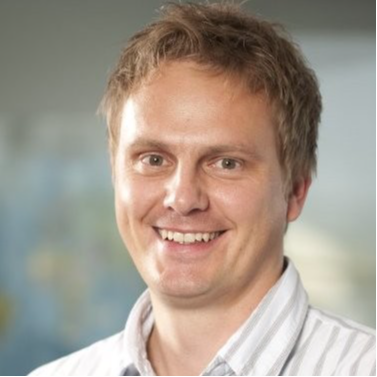
Robert Mohorcic
Manager, Finance Systems & Global Finance Process Owner (Retail)Sonova Holding

GPO LEADERS PROGRAMME
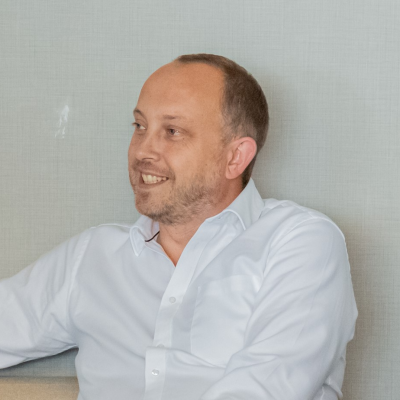
2:30 pm - 3:00 pm THE RISE OF STRATEGIC AP: UNLOCKING BUSINESS VALUE THROUGH AI, DATA AND PROCESS INTELLIGENCE Steve Standring - Chief Revenue Officer, Springtime TechnologiesRob Bullen - Global Group Head, BAT Business Services, BAT
Victoria Slowikowska - Partner, KPMG LLP
AI is elevating the possibilities across the Accounts Payable (AP) lifecycle. The data flowing through AP platforms - POs, invoices, supplier interactions and payment behaviour, is now one of the richest real-time financial datasets in the enterprise, and a strategic asset many organisations have yet to fully utilise.
This session will explore how GPOs can support an AP evolution beyond transaction processing to help predict cash, optimise working capital and support board-level decisions.
The panel will map the evolution of AP from transactional execution and operational control through to financial optimisation and strategic decision intelligence, addressing the practical questions GPOs face: where to start, how to standardise, the role of managed services and technology, what happens to teams, and what good looks like at each stage.
Hosted by Springtime Technologies, the session will outline a practical roadmap to S2P Nirvana.
Sponsored by: Springtime Technologies




PEOPLE & CULTURE CLINIC
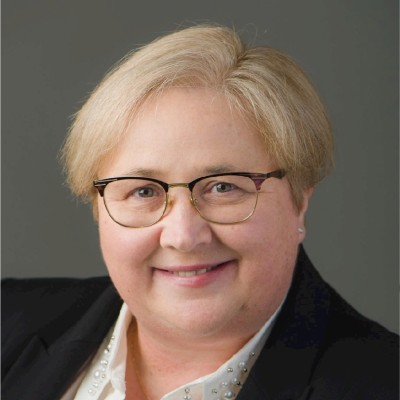
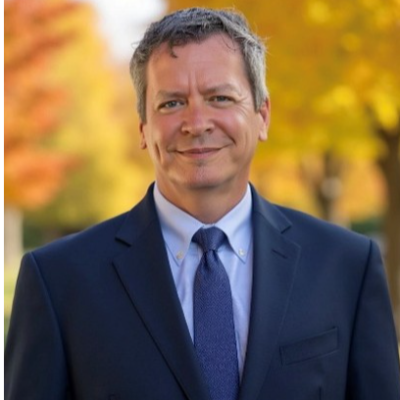
2:00 pm - 3:00 pm INTERACTIVE DISCUSSION GROUP: LEADING PEOPLE THROUGH MERGERS, ACQUISITIONS & RESTRUCTURES Lynn Jonas - Executive Director – Business Service Central, Ashurst Perkins Coie LLPDietmar Hofmarcher - Head of Global Business Services, Carrier
Mergers and acquisitions create seismic shifts in organisations, disrupting structures, cultures, and even employee trust. As with all transformation, the challenge lies in aligning the people, processes and technology with as little impact as possible. In this interactive discussion group you will explore how to manage resistance, integrate diverse cultures, merge & review processes and consolidate your tech stacks through major restructures.
• Build organisational trust across merging teams by implementing transparent, timely communication strategies
• Reduce resistance to change by mapping and addressing cultural and operational impacts early
• Retain key talent by implementing targeted engagement and retention initiatives
• Build a strategy to consolidate competing tech stacks to avoid competing systems


3:00 pm - 3:30 pm
AFTERNOON NETWORKING BREAK
Gabriela Stanakova - Global Process Owner S2P, Carrier
Everyone wants true end-to-end ownership; few organisations actually achieve it. Faced with the same pressures of cost, complexity, and transformation, GPOs must deliver results without clear lines of authority. So why do some succeed while others stall? In this high-energy conversation, two GPOs from the different functions compare how they navigate similar challenges around governance gaps, stakeholder tensions, and leadership constraints, whilst achieving different outcomes.
• Clarify what real end-to-end ownership looks like by examining leadership mandates and decision rights
• Achieve stronger outcomes by applying governance models suited to your context
• Influence complex stakeholders by tailoring engagement strategies to your process landscape
• Move from coordinator to accountable leader by leveraging authority and sponsorship effectively



Meena Saggar - Process Excellence, Global Process Owner, R2C Director, IHG Hotels & Resorts
Tuula Tuononen - Global Process Owner, Procurement Excellence, Konecranes
Péter Szabó - SVP GBS, MOL Plc
Karolina Siwik - GBS+ European Leader, Ecolab
As enterprises race to transform through GBS, the GPO role has emerged as a critical, yet often undefined, lever of value. New GPOs are expected to cut costs, simplify complexity, and deliver measurable impact without clear mandates or structures. This panel examines how GPOs move beyond transactional oversight to become enterprise change leaders, unlocking end-to-end ownership, stakeholder alignment, and P&L value through capability building, analytics, and continuous transformation.
• Clarify the GPO mandate by intentionally defining scope, authority, and success measures
• Strengthen end-to-end ownership by anchoring the GPO role in both delivery and change
• Shift value creation toward measurable P&L impact through disciplined “value hunting”
• Build influence across teams and leadership using operational credibility and data storytelling







Kristin Hess - Associate Director - Global Change Management Lead, Strategic Procurement Progra, Takeda
For Shared Services and GBS leaders, sustainable growth depends on building a culture that embraces change, develops new capabilities, and continuously improves performance. Yet deeply embedded behaviours, skills gaps, and change fatigue often slow progress. Join your peers in discussing how leaders intentionally shape culture to support transformation, through leadership behaviours, talent strategies, and incentives, turning change from a programme into a mindset that fuels long-term value creation.
• Practical approaches for building change capability and adaptability across teams
• Ways to engage and retain talent during periods of sustained change
• The role of leadership, incentives, and accountability in shaping culture

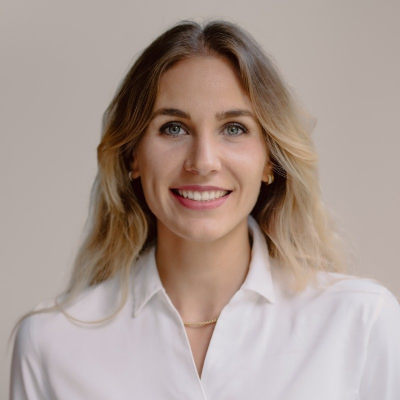
Kristin Hess
Associate Director - Global Change Management Lead, Strategic Procurement PrograTakeda