DRIVING END-TO-END TRANSFORMATION THROUGH GBS
Conference Day 1: Wednesday 21st October
THE BIG IDEAS STAGE
8:15 am - 8:30 am
CHAIRS OPENING REMARKS
Phil Priest -
Head of Global Business Services,
Rolls Royce


8:30 am - 9:00 am
PANEL DISCUSSION: THE FOUNDATIONS REQUIRED TO MEASURE, TRACK AND ARTICULATE AI’S BUSINESS IMPACT
Hannele Palje-Rossi -
CIO & Head of Global Business Services,
Stora Enso
Punit Bhatia - Executive Head of Business Operations & Transformation (GBS) and GCCs, NTT Data
Rich Gosling - Vice-President Weir Business Services, The Weir Group
Jonny Pellegrino - Co-Founder Group COO, Private Markets Bank (in formation)
The era of AI experimentation without accountability is over. As GBS evolves from a cost center into a strategic value engine across finance, HR, procurement, and IT, the priority is no longer just deploying AI, it is proving, measuring, and governing its real impact end to end. Autonomous decision-making can accelerate speed, precision, and innovation, but only if organisations establish the conditions to track performance, risk, and value in real time. To build a successful business case for AI, you need clear outcome metrics, high-quality data, observability, scalable architectures, human oversight, and robust governance. This keynote panel explores how to make AI, including agentic AI, measurable, controllable, and accountable, turning ambition into demonstrable results.



9:00 am - 9:30 am
CASE STUDY: BEYOND TECHNOLOGY: REIMAGINING THE FUTURE OPERATING MODEL OF GBS
Candice Sieg -
Partner, Global GBS and Outsourcing Advisory Lead,
KPMG
Marcus Millership - SVP, GBS Strategy & Service Management, Rolls-Royce
AI is changing how work gets done. The bigger question is whether our operating models are changing with it. This session challenges traditional assumptions about functions, delivery models, governance, and workforce design, and explores how GBS leaders can orchestrate people, agents, platforms, and partners around end-to-end value streams, unlocking productivity, capacity, and better enterprise outcomes. Moving beyond fragmented automation initiatives, this approach enables organisations to build cross-functional workflows, unlock strategic value, and create adaptive, insight-driven operations.
• Value-centric transformation: How GBS can drive strategic value creation by combining human expertise with AI-driven capabilities and focusing on end-to-end business outcomes rather than functional silos.
• Seamless orchestration: Moving beyond isolated automation to orchestrate people, agents, platforms, and partners across integrated workflows that accelerate decision-making and execution.
• Measuring what matters: Shifting from traditional efficiency metrics to a broader definition of value, including productivity, effectiveness, capacity released, growth enabled, and stakeholder experience.
• User experience excellence: Prioritising critical moments that matter, delivering personalised and intuitive experiences for employees, partners, and stakeholders
Sponsored by: KPMG




9:30 am - 9:50 am
CASE STUDY: USING AI TO CREATE VALUE AND NOT JUST CONTENT
Jarek Wojnarowski -
Vice President, Global Business Services,
Pandora
AI is making work cheaper to produce, and therefore potentially creating more of it. Organisations are rolling out tools, running pilots and celebrating adoption that frequently means generating emails, summaries and presentations that nobody needs. The challenge is not getting people to use AI; it is knowing where AI genuinely matters. This case study from Pandora outlines some pitfalls and shares a practical approach to augment AI usage with an old-school purpose, business cases, role-specific capabilities and above all measurable outcomes.


9:50 am - 10:20 am
WHEN EFFICIENCY IS NO LONGER ENOUGH - HOW FINANCE GBS REDEFINES ITS VALUE
Kausik Sengupta -
Senior Global Process Expert,
Heineken
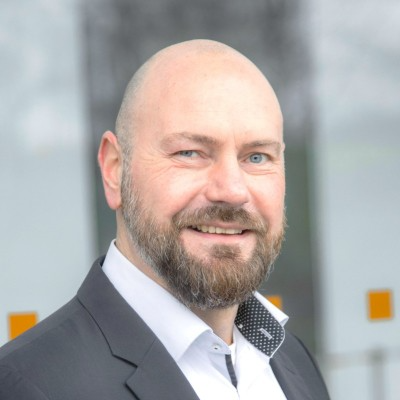
Sven Maschberger - Regional VP, Basware
For years, Finance GBS has been optimised to process faster and cheaper. In today’s climate of volatility, regulation and scrutiny, that model is breaking down. Business leaders now expect GBS to protect cash, manage risk and deliver insight, not just transactions. This keynote will delve deeper into case study examples challenging traditional GBS thinking and explores how finance organisations are reinventing AP and P2P as strategic capabilities, using intelligent automation, compliance-by-design and data to stay relevant.
Sponsored by: Basware



10:20 am - 10:50 am
MORNING NETWORKING BREAK
SPLIT PLENARY: FINANCE REIMAGINED
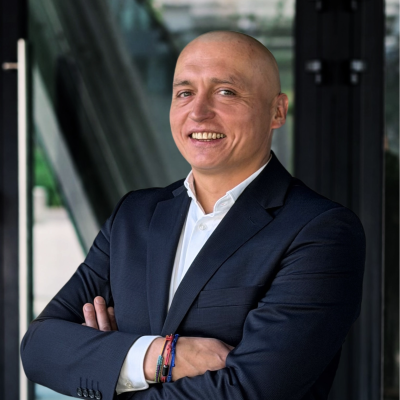
10:50 am - 11:15 am CASE STUDY: DRIVING TOWARDS A DATA- DRIVEN END-TO-END FINANCE TRANSFORMATION Jakub Wojdat - VP, Global Head of Finance Shared Services, TE ConnectivityThis case study session will uncover how TE Connectivity is working to restructure finance around transformation leadership, data, and continuous improvement, to transition from a cost-centre towards a value-generating strategic partner. Focused on achieving full end-to-end ownership, this session will explore how TE Connectivity are shifting their focus from process ownership to embedding global transformation leaders with full oversight of the business and the power to implement real change. Driven by the goal to reduce their cost to serve and expand from traditional accounting services, this case study is combing end-to-end transformation with data and analytics for real results.

SPLIT PLENARY: FINANCE REIMAGINED
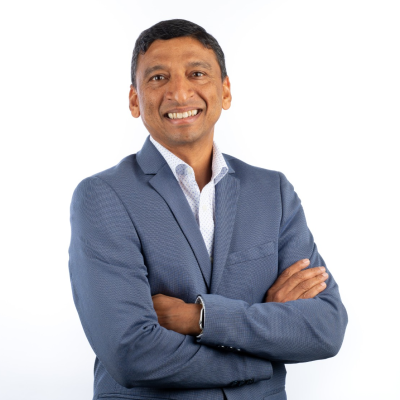
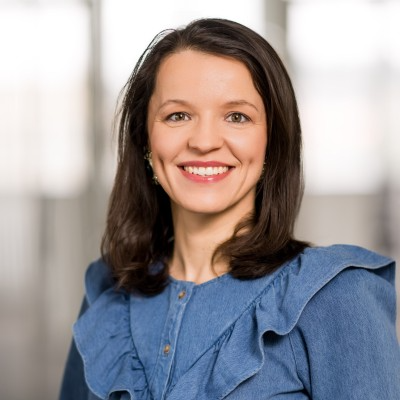
11:15 am - 11:45 am CASE STUDY: THE AGENTIC SHARED SERVICES OPERATION: FEWER TOUCHES, FASTER CYCLES, ONE GLOBAL STANDARD Anant Kale - CEO, AppZenMarta Duczynska - Global T&E Process Lead & Service Owner, Siemens Energy
Shared services leaders are being asked to cut costs and raise control at the same time. AI agents make both possible. In this fireside chat, AppZen CEO Anant Kale describes what an AP and expense operation looks like when agents do the reading, matching, auditing, and follow-up, and where the remaining human roles sit. Marta Duczynska, Global T&E Process Lead at Siemens Energy, shows how it works in practice: one global T&E policy run across 61 countries with local variation intact, and every one of its 700,000 annual expense claims audited, up from a 20% sample. Anant closes with the roadmap for agents in AP and VAT reclaim.
Sponsored by: AppZen



SPLIT PLENARY: FINANCE REIMAGINED
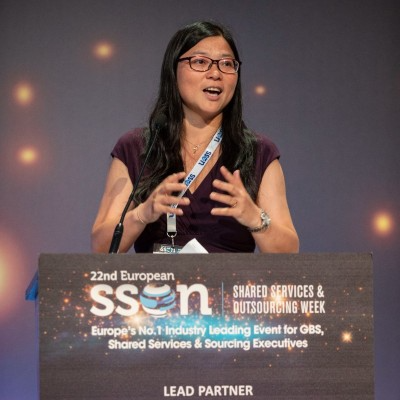
11:45 am - 12:45 pm HOW TO FIND & USE MENTORS: QUICK- MATCH LAB Cathy Gu - SSOW Europe Director, IQPCIn this interactive session, you will be split into mentors and mentees (you choose). This session will start with an overview covering the role of a mentor and how you can make the most out of the right mentor.
• Identify the right mentor by aligning career goals and expertise
• Accelerate development by setting clear, measurable mentoring objectives
• Strengthen relationships by building mutual trust and accountability
• Maximise results by transforming mentorship insights into tangible action

INNOVATION ZONE - PAVILION STAGE
10:30 am - 10:50 am FROM EFFICIENCY TO ENTERPRISE VALUE: ELEVATING P2P & OTC THROUGH GPO-LED TRANSFORMATION Killian McCarthy - Global Sales Director, SoftCoAs SSOW shifts focus from cost to value, this session explores how Global Process Ownership can transform P2P and OTC into enterprise-wide value engines. Learn how standardisation, automation, and real-time data visibility enable better decision-making, improved working capital, and measurable business impact across global operations.
Sponsored by: SoftCo



INNOVATION ZONE - PAVILION STAGE
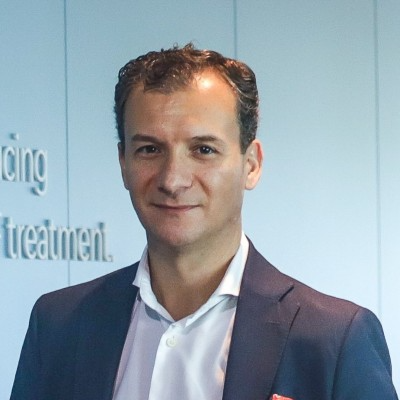
10:55 am - 11:15 am AI-POWERED PURCHASE TO PAY AUTOMATION - ACCELERATING END-TO-END GBS TRANSFORMATION Simona Mâțu - Global Service Delivery Lead, Ferring PharmaceuticalsCristiano Ferreira - Head of Global Business Services, Ferring Pharmaceuticals
GBS organisations are under pressure to modernise Accounts Payable while improving accuracy, efficiency, and financial control at scale. Manual invoice capture, exposure to duplicate invoices and payments, and the absence of systematic supplier statement reconciliation create risk, limit visibility, and drive reactive decision making.



INNOVATION ZONE - PAVILION STAGE
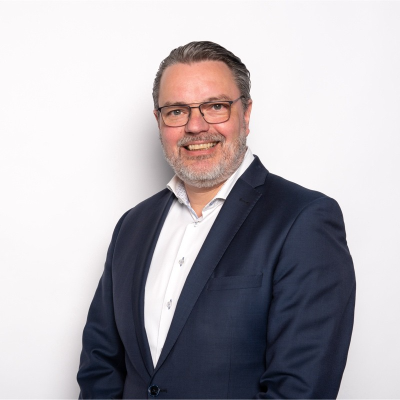
11:20 am - 11:50 am PANEL DISCUSSION: BUILDING A PEOPLE-FIRST CULTURE OF AGILITY IN SHARED SERVICES Charlotte Lester - Deputy Director, Deployment & Partnerships, Department for Work and Pensions, DWPMarcin Dębowski - GBS Hub Head, Poland, Barry Callebaut Group
Xander Berendsen - Head of People EMEA/APAC, International Advisory, CBRE
Alexander Michalowski - Head of Total Rewards Operations, EMEA, Fresenius Medical Care
Lasting change doesn’t start with a new operating model or strategy; it begins with the people and culture that enable agility to flourish. For leaders in GBS, the challenge is to build environments where colleagues feel equipped and empowered to adapt, learn and contribute to ongoing transformation. This means embedding agility and resilience into the everyday employee experience, not just during moments of change. Outdated structures, legacy ways of working and resistance to change can slow progress and disengage talent. Explore different ways to cultivate a culture driven to unlock agility across shared services, enabling teams to thrive.
· Create the cultural foundations for agility by embedding continuous learning, experimentation and resilience throughout the workforce
· Break through resistance by aligning leaders, communicating openly and helping colleagues understand the purpose behind change
· Empower people at every level by encouraging ownership, enabling collaboration across teams and investing in skills for the future

Charlotte Lester
Deputy Director, Deployment & PartnershipsDepartment for Work and Pensions, DWP





FOCUS GROUPS
FOCUS GROUPS A
11:50 am - 12:50 pm BEYOND AI HYPE: HOW LEADING FINANCE TEAMS BALANCE AUTOMATION, ACCURACY, AND TRUST Meg Howe - Chief Sales Officer, Oversight


FOCUS GROUPS B
11:50 am - 12:50 pm BUILDING A ROADMAP TOWARDS AUTONOMOUS OPERATIONS Carlos Sanchez - Senior Industry Specialist | Professional Services Industry Business Unit, SAPRajpal Bal - Senior Global Director - Tax, Treasury and Customs, Aramex
Michael Mills - Global Director of Finance & Shared Services, Aramex
Imane Berjamy - Head of Professional Services Practice, SAP EMEA
Livia Vuznakova - SVP, Head of Global Finance Success, SAP
Sponsored by: SAP

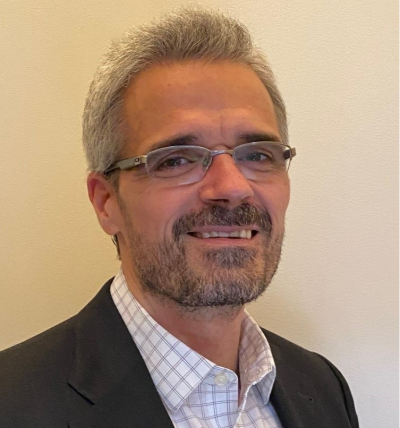
Carlos Sanchez
Senior Industry Specialist | Professional Services Industry Business UnitSAP







FOCUS GROUPS C
11:50 am - 12:50 pm LESSONS LEARNED FROM THE EVOLUTION OF AP: PREPARING TO LEAPFROG INTO THE AI ERA Jon Kohler - Vice President of Sales, APEX AnalytixAlbert Peynsaert - Vice President Global Business Development, APEX Analytix
Nigel Coffey - Global Business Services Leader, Former IVC Evidensia




FOCUS GROUP D
11:50 am - 12:50 pm E-INVOICING MANDATE FROM GERMANY AND BEYOND: HARD-WON LESSONS & THE WINS YOU DIDN'T EXPECT Alexander Sutter - Principal Product Manager, E-Invoicing & Live Reporting (ELR) | General Manager, AvalaraSponsored by: Avalara


Alexander Sutter
Principal Product Manager, E-Invoicing & Live Reporting (ELR) | General ManagerAvalara

INNOVATION ZONE - PAVILION STAGE
1:40 pm - 2:00 pm YOUR DSO IS LYING TO YOU: MEASURING AI'S REAL IMPACT ON CASH Eleni Edon - Director of Product Marketing, StuutAfter years of investment in AI, GBS leaders are being asked to prove it moved the cash. That's hard to do when the scoreboard is an average. In a study with a16z across billions of dollars in live B2B receivables, two companies both had a DSO in the 40s. One company's slowest invoices paid the same day. The other's took 599 days.
This session goes to the data from the ledger and the inbox. It shows where overdue money actually concentrates, what AI agents and people each handled across the collections process, and which outcomes to measure so AI's impact holds up in front of the CFO.
Key takeaways
1. Why a single DSO number can hide a stuck receivables book, and the five metrics that show where the cash is and what it costs to collect it
2. What agents and people each owned in collections, from the first ask to the last dispute, with measured results on capacity and automation
3. How to prime your AR book for AI, from white-glove strategic accounts to the long tail, with the governance and audit trail to scale it with confidence
Sponsored by: Stuut Technologies



1:00 pm - 2:00 pm
PRIVATE NETWORKING LUNCHEON HOSTED BY THE GAUTENG GROWTH & DEVELOPMENT AGENCY (GGDA)
This executive lunch will explore why Gauteng is becoming a leading destination for Global Business Services, offering access to skilled talent, advanced digital capabilities, strong infrastructure, and opportunities across South Africa and wider African markets.
Sponsored by: Gauteng Growth and Development Agency
2:00 pm - 2:30 pm
TURNING A SHUTDOWN THREAT INTO A STRATEGIC ADVANTAGE: THE SGS GBS EUROPE STORY
Mira Mech -
Head of Global Finance Capability and SSC,
SGS
What happens when a GBS center faces a potential shutdown and turns it into a launchpad for transformation?


2:30 pm - 3:00 pm
CASE STUDY: HOW TO TURN UX INTO THE GROWTH ENGINE FOR GBS IN UNCERTAIN TIMES
Jan Nikus -
Vice President KONE Business Services,
KONE, Inc.
In an era shaped by economic uncertainty, accelerating AI adoption, and rising expectations, GBS organisations are hitting the ceiling of traditional cost-cutting models. As efficiency gains plateau, leaders must rethink how value is created. This keynote reveals how a UX-first mindset, focused on radically improving the experience of 20,000+ internal users, can transform GBS from a cost center into a trusted, strategic growth driver that enables adoption, builds credibility, and unlocks new value.


INNOVATION ZONE - PAVILION STAGE
3:00 pm - 3:20 pm THE TOP 20 MOST ADMIRED SSO/GBS BENCHMARK LEADERS: OPTIMIZING PERFORMANCE WITH TRUSTED INDUSTRY BENCHMARKS Barbara Hodge - Global Digital Content, SSON Research & AnalyticsJan Nikus - Vice President KONE Business Services, KONE, Inc.
Rob Bullen - Global Group Head, BAT Business Services, BAT
SSON Research & Analytics provides the benchmark metrics that guide top-performing SSO/GBS. This session will introduce two of the "Top 20 Most Admired SSO" list and explain how they make decisions based on industry benchmarks. We will also showcase some of the "Top 20" aggregated metrics hosted in SSON's Research & Analytics platform and explain how they are being used day-to-day.



Yomnh Eldin - Global Process Experience Business Partner, Tesco
Agentic AI is moving rapidly from experimentation to enterprise reality – but scaling it successfully is proving far more complex than deployment. Without strong foundations, AI agents risk operating in fragmented environments, amplifying inefficiencies and broken processes. As AI takes on greater autonomy, questions of control, governance, and operational context become critical. Join us to explore how leading organisations are using process context foundations to deploy AI safely, efficiently and at scale, to create measurable new business value.




3:20 pm - 4:00 pm
AFTERNOON NETWORKING BREAK
SPLIT PLENARY: SERVICE EXPANSION & EXPERIENCE MANAGEMENT
4:00 pm - 4:30 pm PANEL DISCUSSION: BUILDING THE GBS BUSINESS CASE IN A LANDLORD MODEL FOR SCALABILITY Arnaud Diaz - GBS Site Lead, PPGDorota Zablocka - Head of GBS EMEA, Randstad
Deborah Kops - Principal, Sourcing Change
As enterprises face cost pressure, increasing complexity, and higher service expectations, GBS organisations must clearly demonstrate their value to the business. In a landlord model, success depends on consistent delivery, strong stakeholder relationships, and the right talent to support evolving needs. This discussion will explore how GBS leaders build business confidence by proving capability, differentiating from external providers, and delivering reliable, customised services that the business chooses to rely on.






SPLIT PLENARY: SERVICE EXPANSION & EXPERIENCE MANAGEMENT
4:30 pm - 5:00 pm THE ROADBLOCKS TO AI-ENABLED END-TO-END GBS TRANSFORMATION Mauro Portela - [Global Business Services] Managing Director Global MDM Operations, Danone Business ServicesImagine a future GBS and Shared Services operate end-to-end through AI and agents that don’t just execute tasks, but anticipate demand, adapt processes, and continuously improve outcomes. What is holding you back from achieving this as reality? In a recent poll, GBS leaders said:
Mauro Portela
[Global Business Services] Managing Director Global MDM OperationsDanone Business Services

SPLIT PLENARY: SERVICE EXPANSION & EXPERIENCE MANAGEMENT
5:00 pm - 5:30 pm CASE STUDY: TURNING SHARED SERVICES INTO A CUSTOMER-CENTRIC GROWTH ENGINE Cristina Dobrescu - Head of Transformation, GSC Romania, Societe GeneraleBanks today must improve client experience while reducing complexity and cost to serve, yet many shared services remain disconnected from the customer journey. The Société Générale Global Solution Centre is redefining the role of GBS by embedding customer centricity into its operating model. Through private banking process harmonisation, client outreach services and digital onboarding, shared services are moving closer to the customer, reducing friction, accelerating account opening and delivering measurable value for both clients and the bank.
• Move shared services closer to the customer by aligning operations with the end-to-end client journey
• Reduce service fragmentation by harmonising processes across regions and business lines
• Turn GBS into a value creator by introducing services that directly support customer relationships

TRACK C: TALENT & SKILLS FORUM
4:00 pm - 4:45 pm INTERACTIVE DISCUSSION GROUP: FUTURE TALENT, FUTURE SKILLS - HIRING FOR WHAT’S NEXT Ines Burmeister - Head of Transition Office, Corporate Business Services, Phoenix GroupKim Leandersson - GSBS Transformation & Riga Site Lead, RS Group plc
Rapid technological change, evolving business models and accelerating automation are reshaping the profiles organisations need to hire for the future. Traditional role-based hiring approaches are increasingly outdated, often failing to identify the capabilities required for emerging work and leading to misaligned recruitment decisions.




TRACK C: TALENT & SKILLS FORUM
4:45 pm - 5:30 pm INTERACTIVE DISCUSSION GROUP: HOW TO LOOK FOR GBS ROLES IN THE NEW MARKET Deborah Kops - Principal, Sourcing ChangeEconomic pressure, AI, and constant transformation are reshaping what companies want from GBS leaders, and traditional roles are disappearing or evolving fast. Fewer standalone GBS positions, bigger enterprise mandates, and a strong bias toward internal candidates mean past success running large operations is no longer enough. Many experienced leaders are finding the market tougher than expected. This interactive discussion group will openly explore what’s really changing, why strong profiles stall, and how to reposition yourself as a business leader who drives value, not just services.