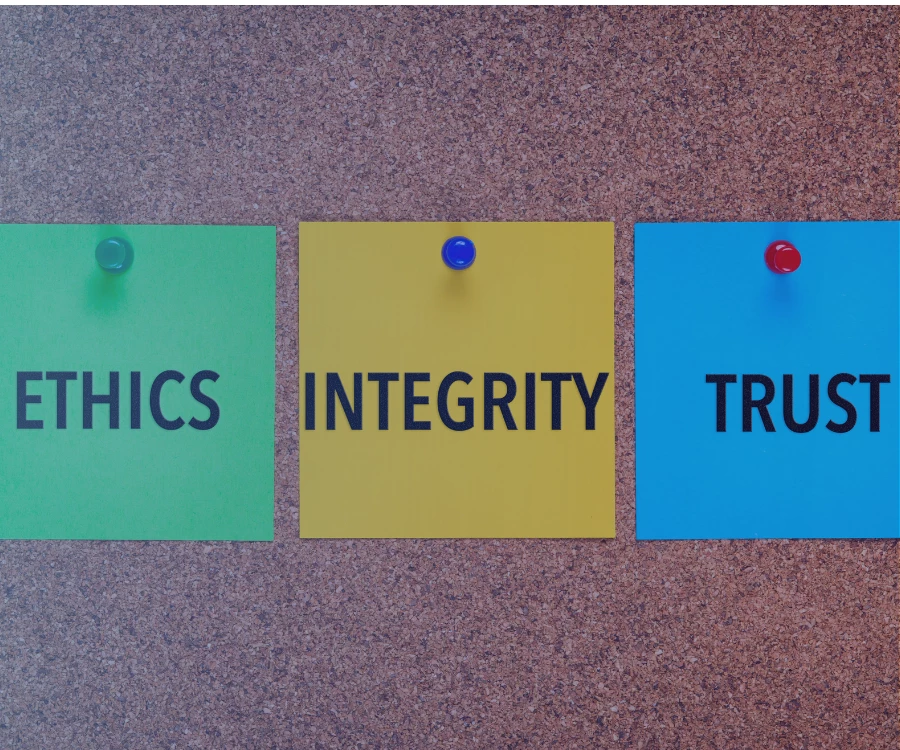


There is no way around it: a strong corporate culture is the foundation for effective processes. Documented policies, procedures, and controls are essential, but they only function as intended when supported by a culture that prioritizes discipline, accountability, and continuous improvement.
If you are evaluating an organization – whether as an internal auditor, employee, or prospective hire – recognizing the cultural signals (or green flags) that support strong processes can provide valuable insight into operational effectiveness, risk management, and long-term sustainability.
Green Flag: Tone is Set at the Top
A culture that supports strong processes starts with leadership. Executives and senior management must consistently demonstrate that adherence to processes is not optional but integral to business success.
Indicators to Look For:
- Consistent Messaging: Leaders frequently reinforce the importance of controls, compliance, and risk management outside of audits or crises.
- Behavioral Alignment: Leadership knows and follows the same processes expected of employees (for example, approval protocols and documentation requirements).
- Balanced Priorities: Decisions reflect both performance goals and process integrity, rather than prioritizing results at any cost.
Red Flag: Speed Over Consistency
If leadership regularly bypasses established processes to "move faster" or meet targets, it signals that processes are seen as obstacles rather than enablers.
Green Flag: Clearly Defined and Documented Processes
Organizations with strong process-oriented cultures invest in clear, accessible, and well-maintained documentation.
Indicators to Look For:
- Standardized Procedures: Processes are documented in a consistent format and are easy to follow.
- Accessibility: Employees can quickly locate procedures, policies, and guidance.
- Version Control: Documentation is regularly reviewed and updated with clear ownership and documentation of reviewers and revisions.
Red Flag: Excess Tribal Knowledge
Employees should not rely on tribal knowledge. Instead, they should consistently reference formal documentation to perform their work.
Green Flag: Accountability is Embedded at All Levels
In a process-driven culture, accountability is not limited to compliance teams or internal audit. Rather, it is embedded across the organization.
Indicators to Look For:
- Defined Roles and Responsibilities: Ownership of processes and controls is explicitly assigned.
- Performance Metrics: Employees are evaluated not only on outcomes but also on how well they follow processes.
- Escalation Practices: Issues are raised promptly without fear of retaliation.
Red Flag: The Blame Game
A blame-oriented environment, where individuals avoid ownership or shift responsibility, often undermines process integrity.
Green Flag: Strong Risk Awareness and Open Communication
A culture that supports strong processes encourages transparency and proactive risk management.
Indicators to Look For:
- Open Dialogue: Employees feel comfortable questioning processes or highlighting deficiencies.
- Early Issue Identification: Problems are identified quickly and addressed before escalation.
- Cross-Functional Collaboration: Teams work together to resolve process gaps rather than operating in silos.
Red Flag: Defensive Conversations
If risk discussions are reactive and defensive rather than routine and constructive, it may indicate a culture that discourages transparency and open communication.
Green Flag: Continuous Improvement Mindset
Strong processes are not static. Organizations with mature cultures continuously evaluate and improve their operations.
Indicators to Look For:
- Formal Feedback Loops: Mechanisms exist to gather feedback from employees, customers, and audits.
- Process Reviews: Regular reviews assess efficiency, effectiveness, and risk exposure.
- Investment in Innovation: The organization adopts tools and technologies to enhance processes.
Red Flag: Obsolete Processes and/or Documentation
Processes that remain unchanged for years despite known inefficiencies indicate cultural resistance to improvement.
Green Flag: Training and Knowledge Reinforcement
A strong process culture ensures employees are equipped with the knowledge and skills needed to perform their roles effectively.
Indicators to Look For:
- Structured Onboarding: New hires receive comprehensive training on processes and controls.
- Ongoing Education: Regular training updates reflect process changes and regulatory developments.
- Practical Application: Training includes real-world scenarios and examples, not just theoretical instruction.
Red Flag: Lack of Understanding
When employees do not understand why processes exist and only know how to follow them, the organization may struggle to reinforce consistent, thoughtful execution.
Green Flag: Integration of Technology and Automation
Organizations that prioritize strong processes often leverage technology to standardize and enforce consistency.
Indicators to Look For:
- Workflow Automation: Systems guide users through required steps, reducing manual errors.
- Built-In Controls: Automated checks and validations are embedded within systems.
- Data Transparency: Reporting tools provide visibility into process performance and control effectiveness.
Red Flag: Weak Manual Controls
Heavy reliance on manual processes without compensating controls can increase risk and signal a lack of investment in process maturity.
Green Flag: Internal Audit and Compliance Are Valued Partners
In process-oriented cultures, internal audit and compliance functions are viewed as strategic partners rather than adversaries.
Indicators to Look For:
- Collaborative Engagement: Business units proactively engage audit and compliance teams.
- Timely Remediation: Identified issues are addressed promptly with sustainable solutions.
- Respect for Independence: Audit findings are taken seriously and not dismissed or minimized.
Red Flag: Quick Fixes
If audit recommendations and remediation plans result only in temporary fixes, underlying issues may persist and weaken process maturity over time.
Green Flag: Incentives Align with Process Integrity
Compensation and recognition structures play a critical role in reinforcing culture.
Indicators to Look For:
- Balanced Scorecards: Performance evaluations incorporate compliance, risk management, and process adherence.
- Recognition Programs: Employees who identify process improvements or risks are acknowledged.
- No "Workaround" Culture: High performers are not rewarded for bypassing processes to achieve results.
Red Flag: Cutting Corners
If incentives focus solely on financial or performance metrics without regard to process adherence, employees may be encouraged to cut corners.
Green Flag: Evidence of Consistent Execution
Ultimately, culture is reflected in day-to-day behaviors and outcomes.
Indicators to Look For:
- Audit Results: Fewer repeat findings and strong control effectiveness indicate consistent execution.
- Operational Stability: Processes produce reliable, predictable outcomes.
- Documentation Quality: Records are complete, accurate, and maintained in real time.
Red Flag: Inconsistency
Inconsistency across teams and functions suggests that processes are not yet deeply embedded in the organization.
Practical Steps for Evaluation
Whether you are conducting an audit, considering a new role, or assessing your current organization, the following actions can help you evaluate process culture:
- Observe Meetings: Are processes discussed proactively or only when issues arise?
- Review Documentation: Is it current, clear, and frequently referenced?
- Interview Employees: Do they understand and value the processes they follow?
- Assess Behavior Under Pressure: Do teams maintain discipline during high-volume or high-stress periods?
- Analyze Audit Trends: Are findings recurring or steadily improving?
A Process-Centered Philosophy
A corporate culture that supports strong processes is reflected in leadership behavior, employee accountability, communication practices, and a commitment to continuous improvement. For individuals in internal audit, risk, or operational roles, the ability to identify these cultural attributes is critical for assessing organizational effectiveness and resilience.
By focusing on observable behaviors, alignment of incentives, and consistency of execution, you can distinguish organizations where processes are truly embedded from those where they exist only on paper. In doing so, you can gain a clearer understanding of not just how an organization operates, but how well it is positioned to manage risk, maintain compliance, and sustain long-term success.