A Physical Metaphor for Growth
Tower running became more than a personal challenge; it was a way to test my own endurance, discipline, and mental focus. Starting with 25 floors during local tower running events, I gradually progressed to the SkyTower 49-floor tower run. Each step, each floor, became a metaphor for professional ascent involving persistence, strategy, and knowing when to accelerate or slow down. That required mental clarity, pacing, and adaptability, qualities mirrored in organizational transformation. In the same way I had to manage breath and energy in a vertical race, my work as a business leader required the allocation of resources, attention, and focus in complex strategies.
Beyond the physical, tower running offered me a mental laboratory. During the minutes between ground floor and top floor, every flight of stairs became a moment to observe resilience, test patience, and practice decision-making under pressure. In many ways, the experience reflects the workplace where I've been working for two decades. The combination of endurance, incremental progress, and strategic planning often determines success more than isolated bursts of effort. This physical exercise became a tangible representation of the core skills needed for transformational leadership: stamina, perseverance, and the ability to maintain focus when complexity tries to push you down.
Tower running also reminded me that life is not always about competition. My goal was never to finish first, only to complete the climb. For an overweight 51-year-old runner, reaching the top without stopping halfway was already an achievement. The lesson translated naturally to professional life: transformation is rarely about outperforming others, but about maintaining the stamina to keep moving upward when the path becomes steep.
From Sport to Leadership
During the fourth and fifth races, I began conceptualizing my book. Conversations with fellow participants revealed shared passions for innovation, digital transformation, and leadership. One of the runners invited me to lead the Digital Technology and Transformation Club in Wrocław, a role that offered a platform to connect leaders, practitioners, and enthusiasts from multiple industries. I organized workshops, knowledge-sharing sessions, and networking events, facilitating interactions that bridged IT, operations, and business strategy. These gatherings became a microcosm of what transformation looks like in practice: diverse individuals coming together to solve complex problems collaboratively.
By creating opportunities for people to share insights, I realized that leadership is less about authority and more about igniting change that matters. Engaging participants from HP, IBM, DXC Technology, EY, and other organizations across the business services sector highlighted that intelligence is not just computational or process-driven; it is also relational. Understanding how people think, how knowledge flows, and how collaboration can be orchestrated became as valuable as any technical tool. Through this, I could see from the front seat how collective intelligence amplifies innovation.
The Business Service Market in Poland
Over the past decade, industry forums and professional networks have helped shape Poland's business service market, bringing together thousands of practitioners and leaders to exchange ideas on digital transformation. My one-year engagement provided insight into the sector's rapid expansion, particularly the rise of shared services and business process outsourcing hubs. The Wrocław ecosystem, for example, has evolved from a collection of fragmented back-office operations to a hub where multinational organizations experiment with digital transformation, citizen development, and AI integration. By connecting leaders across companies, our core team in Wrocław managed to foster a platform for shared learning and benchmarking about digital technology and transformation. I became close to other chapter leaders in Poland, attending events organized in Warsaw, Kraków, Poznań, and Katowice,e and they were also doing fantastic work.
The ABSL network revealed an important lesson about systems thinking: intelligence in a business ecosystem is distributed across organizations, teams, and individuals. Processes become more efficient when knowledge circulates, data becomes actionable when shared, and infrastructure becomes enabling when aligned with human expertise. The Polish business services landscape, with its emphasis on collaboration and innovation, became a living laboratory for testing theories of operational intelligence, cross-cultural leadership, and change management.
Expanding Thought Leadership Globally
These communities operate across different levels. Local forums build momentum, regional gatherings expand perspective, and global conferences connect ideas across industries and continents. Competitive tower running also reflects this idea of levels and progression. The Towerrunning World Association assigns grading factors to races, beginning with a standard factor of 40 for recognized events such as the SkyTower Run in Wrocław, where I climbed the 49 floors. Iconic races like the Empire State Building Run-Up in New York reach factor 80 and attract elite athletes from around the world. At the highest levels of the sport, the Towerrunning Tour Final in Shanghai Tower carries a factor of 240, while world championship races can reach the maximum level of 280.
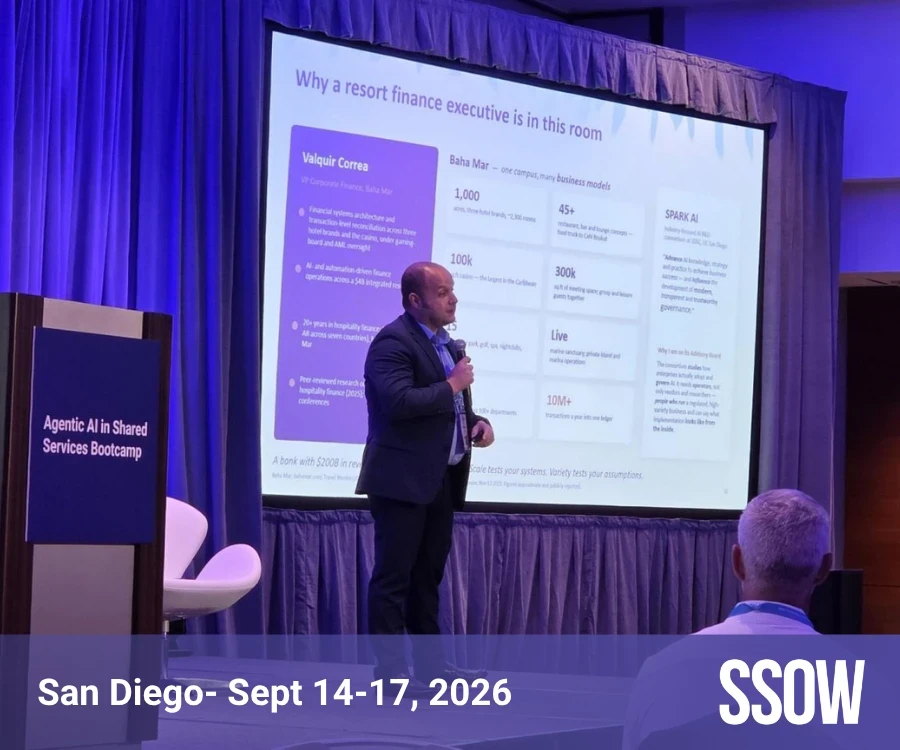
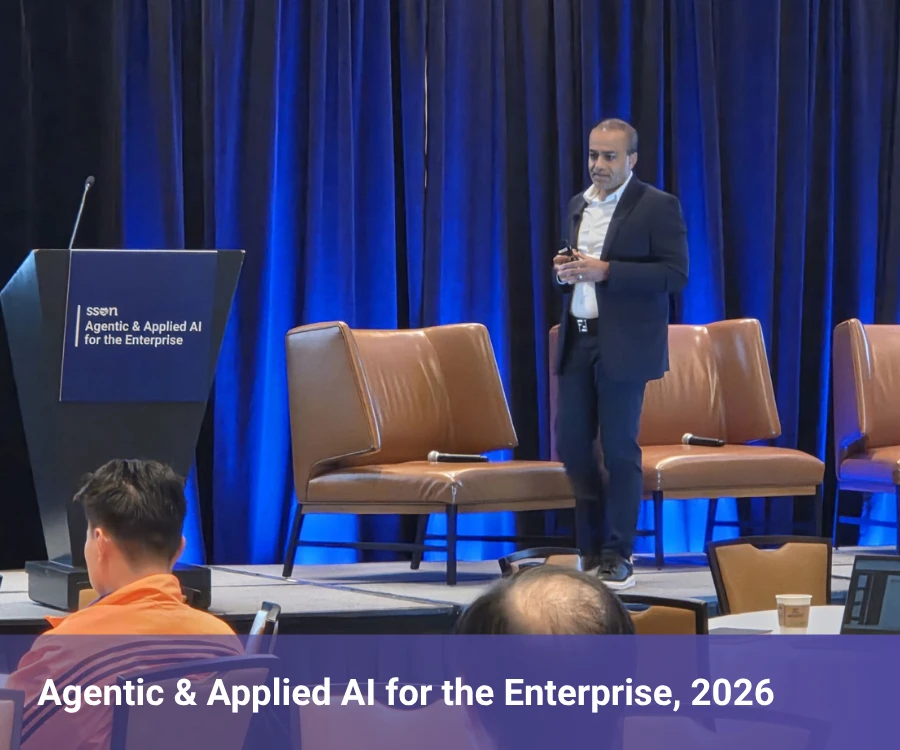
Beyond Poland, my experience extended to international conferences and industry gatherings in cities such as London and Lisbon, where thousands of professionals from global business services, technology, and consulting organizations exchange ideas about automation, AI, and enterprise transformation. Speaking engagements highlighted how citizen developers and AI Centers of Excellence transform enterprise workflows. These forums underscored that intelligence is multi-layered, that it appears in data, algorithms, and systems, but it reaches its highest peak when activated through people, shared experiences, and cross-functional collaboration.
Presenting on global stages reinforced that leadership is fundamentally about enabling networks. Whether discussing AI-driven process automation, low-code citizen development, or cross-organizational collaboration, the message remained consistent: transformation is a collective effort. When we connect ideas, insights, and stakeholders, multipliers of capability and innovation can be created, turning individual brilliance into systemic advantage.
Integrating Physical, Cognitive, and Social Intelligence
Tower running and professional networking converged into a single insight: that leadership is an exercise of multiple intelligences. Physical stamina mirrored cognitive focus, social engagement reflected organizational influence, and technical insight found parallels in operational execution. Each challenge tested a different dimension of capability, highlighting that human performance and organizational performance share common principles including preparation, adaptability, situational awareness, and resilience.
This layered view of intelligence became important in discussions about citizen development and conversations with International Business students at Coventry University Wrocław and Wroclaw University of Economics and Business. Just as a runner must balance energy expenditure across 49 floors, organizations must balance resources across processes, data flows, controls, and infrastructure. Only by integrating these dimensions can enterprises scale transformation effectively.
Intelligence, therefore, is not confined to algorithms or dashboards; it is activated when human potential aligns with systems and processes.
From Networks to Collective Insight
Events, conferences, and races illuminated another aspect: that networks create leverage. Connections formed in informal settings, between competitors, mentors, and peers, often catalyze the most significant ideas. Sharing lessons learned from tower running with colleagues allowed me to frame challenges metaphorically, encouraging teams to approach digital transformation as a climb, moving step by step, resiliently, and collaboratively.
At the intersection of sport, learning, and professional engagement, I observed that collective intelligence emerges when diverse perspectives converge. People from different backgrounds, industries, and cultures bring unique problem-solving approaches. Like the runners in a tower, individuals ascend at different paces, yet their combined insights propel the group forward. This principle became central to my thinking about digital transformation, leadership, and organizational design.
The combination of personal challenge and professional networking illustrates that growth is rarely linear. Whether climbing a tower or navigating enterprise transformation, success depends on discipline, foresight, and the ability to connect diverse perspectives. Collective intelligence amplifies and transforms isolated effort into scalable impact. The lessons from these experiences continue to shape how I approach leadership, valuing persistence, embracing diversity, and orchestrating human potential to drive meaningful change.