The Last 30 Years of Shared Services: Lessons & What’s Next
Final Reflections from SSOW Orlando 2026
Add bookmark
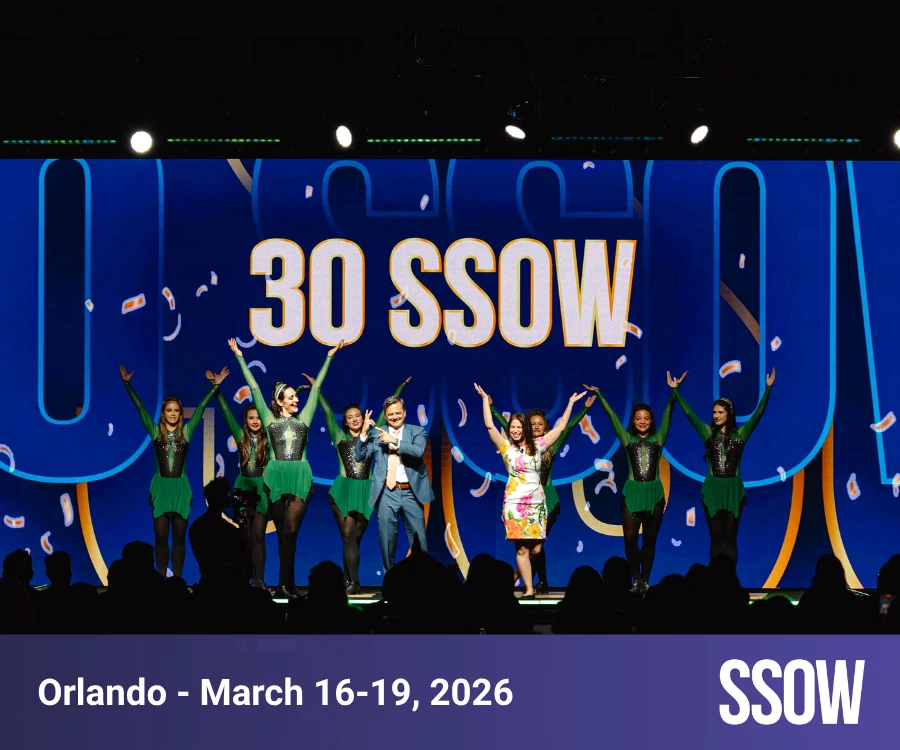
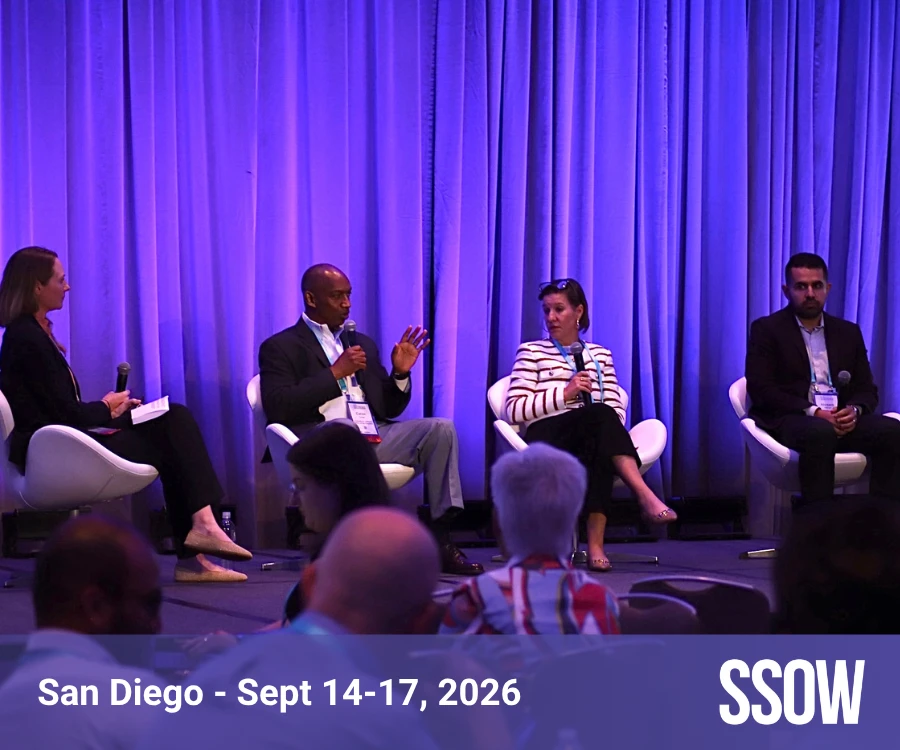
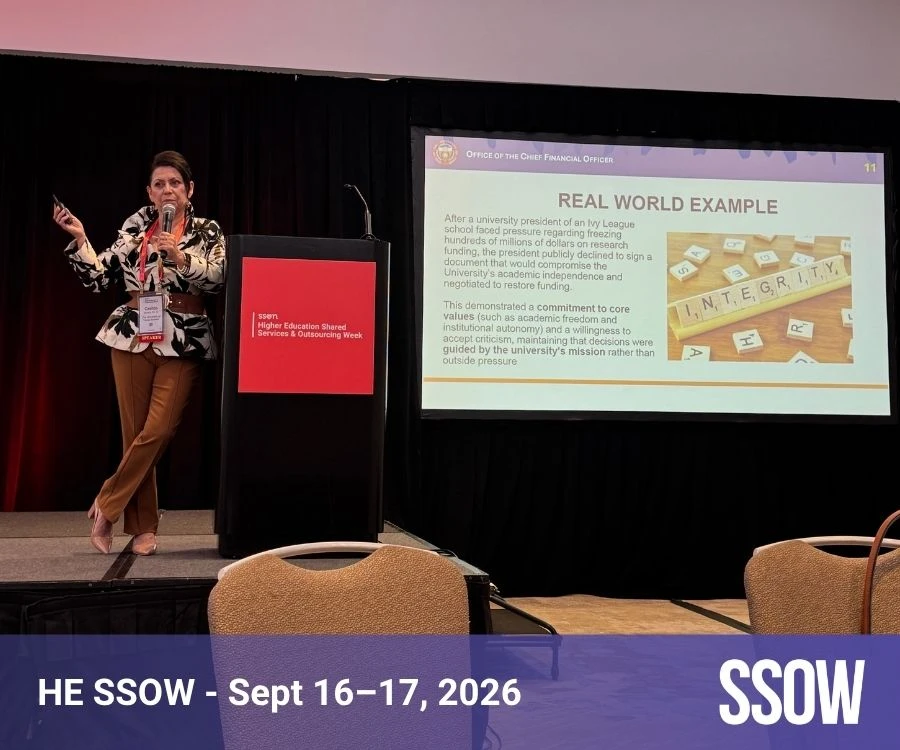
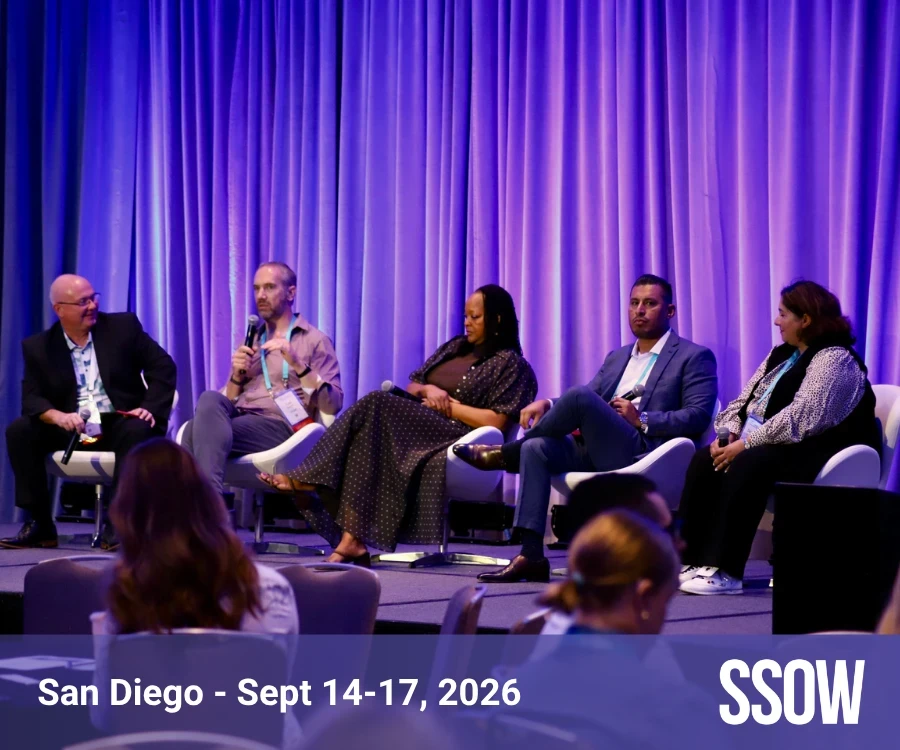
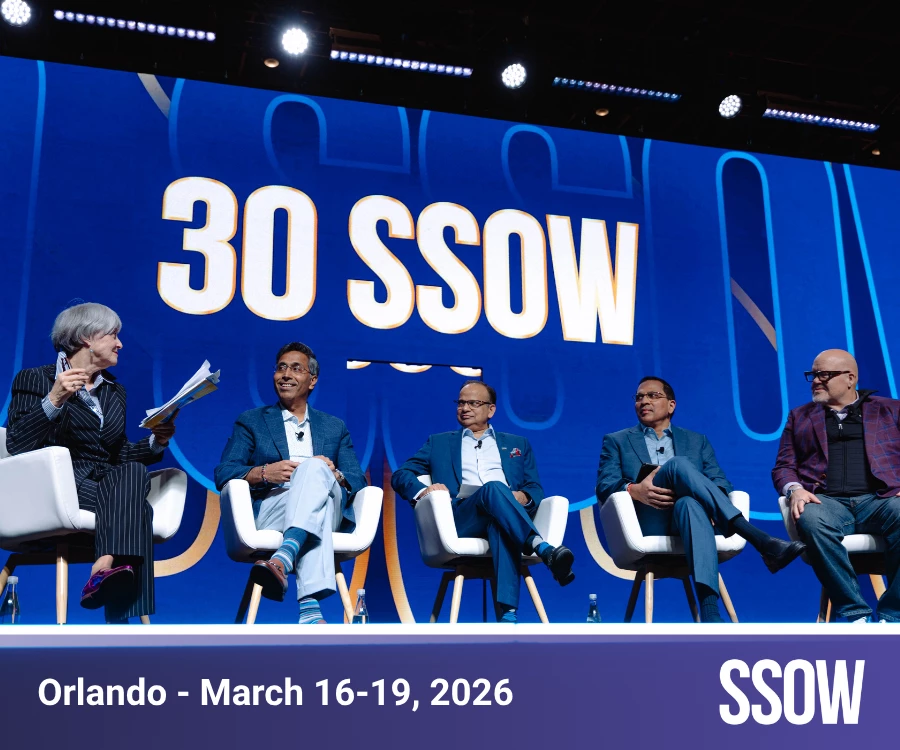
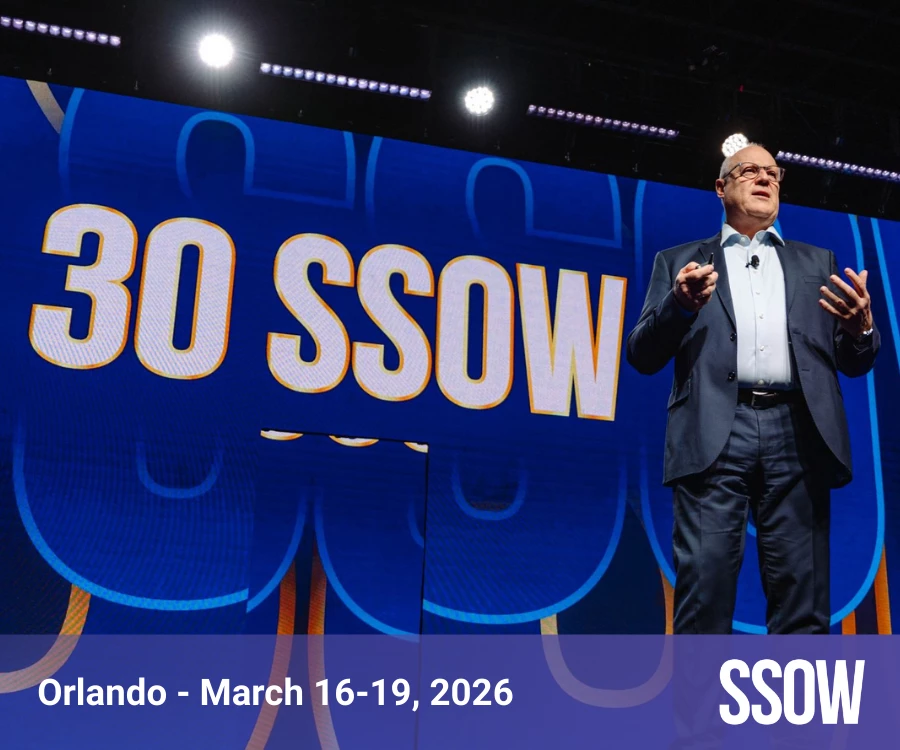
This year marked a milestone for the shared services and Global Business Services (GBS) industry, as Shared Services & Outsourcing Week (SSOW) celebrated its 30th anniversary. The event brought leaders together to how the operating model continues to evolve after three decades of progress.
From scaling automation to skills‑based transformation, the agenda covered the full spectrum of change shaping the industry. For those unable to attend, this article breaks down the key themes that defined SSOW 2026.
Shared Services as Orchestrators
SSOW chairman, Brad DeMent, described "orchestration" as the defining theme of this year's event. Sessions discussed how the next step for shared services is to move beyond functional optimization toward end-to-end orchestration – aligning people, processes, and technology around business outcomes.
As such, the next era of transformation positions shared services as an orchestrator.
Technology: Agentic, Data-Driven, and Auditable
Shared services leaders are filtering out the AI hype in favor of focused, intentional automation efforts. The future of AI-enabled business is not simply "more technology", but viewing AI as an orchestration layer, sitting above workflows to improve execution without disruptive enterprise-wide redesign.
The Future of Shared Services is Agentic
From Interactive Discussion Groups (IDGs) to the Agentic AI Bootcamp, AI agents were expectedly a hot topic. Leaders are keen to use AI tools that can plan and execute across systems, enabling true end-to-end orchestration.
Early implementations show significant cycle‑time reductions, but success depends on:
- Strong data foundations
- Clear governance
- A people-centric mindset
- Accountability and trust
These factors will separate organizations experimenting with agents from those truly realizing value.
Data Readiness is the Defining Factor
Robust data management was a strong focus of this year's event, identified as the most common culprit for stalled AI initiatives. As orchestration depends on clean handoffs, systems require consistent master data and clear visibility. Attendees agreed on common roadblocks:
- Fragmented systems
- Duplicated data
- Unstructured data
- Weak governance
- Unclear ownership
In the digital era, if workflows are broken, AI only accelerates the damage. As such, data readiness is a prerequisite for automation return-on-investment (ROI).
Governance and Trust Cannot be an Afterthought
As automation becomes more autonomous, control becomes increasingly important. Leaders repeatedly emphasized compliance, auditability, and governance-by-design, especially in regulated environments. The goal is to make controls enablers – aka "speed with guardrails" – so teams can trust outcomes.
For a sustainable, AI-driven operating model, teams must prioritize:
- Clear accountability for platforms, data, and decision-making
- Audit trails that explain what happened and why
- Access controls and data governance aligned to risk
- Exception handling and escalation paths for "human in the loop" oversight
Process: Redefining the Operating Model
With those foundations in place, the technology conversation quickly turns into an operating model one: Who owns end-to-end performance? Who can standardize without breaking the business? How can you successfully scale change across regions and functions?
Standardization is Coming Back into Focus
Previously, standardization was seen as a cost and control play. This year, it was discussed as a scaling requirement for orchestration. You cannot connect workflows end to end if every region and system runs differently. Sessions identified key action points, such as:
- Establishing global process councils
- Creating end-to-end process owners that are accountable for outcomes
- Leveraging Centers of Excellence (CoE) or Global Capability Centers (GCCs) for consistency
This contributed to wider discussions of shared services moving up the value chain. As organizations become accountable for end-to-end outcomes, acting as an "enterprise control tower", work shifts from transactional to strategic.
Global Delivery Requires a Hybrid Design
The event tackled which delivery model is most effective within the rapidly evolving business landscape. However, speakers and attendees were clear that there is no single model that works universally – but agility is crucial.
Although global delivery models are not one-size-fits-all, there are key factors that shape how work can be delivered:
- Remote versus in‑office expectations
- Labor‑market dynamics
- Regulatory and compliance requirements
- Customer expectations
- Enterprise goals
Global delivery models must be intentionally hybrid – designed for flexibility whilst maintaining enough standardization to support end‑to‑end orchestration.
Value is Moving Beyond FTEs and SLAs
Sessions discussed a shift away from managing services through inputs – such as volumes, queues, and FTEs – towards designing models for outcomes and experiences. Leaders talked less about traditional Service Level Agreements (SLA), instead prioritizing removing friction.
This experience‑led mindset is closely linked to the industry's gradual move toward outcome‑based models. Key principles discussed included:
- Designing for the frontline, where simpler journeys reduce errors and rework
- Treating adoption as the true success metric
- Balancing automation with human interaction in high‑stakes environments
The challenge, however, is delivering this consistently at scale.
Taken together, the organizations best positioned for the next phase are those that can balance using disciplined operating models to connect work whilst remaining adaptable, outcome‑driven, and fit for a complex global environment.
People: Supporting the Workforce During Widespread Change
Even with stronger technology foundations and clearer operating model direction, the event's speakers were candid about how the workforce can be a barrier to change. Without people fully brought along for the journey, transformation cannot be sustained.
Change Management Remains a Barrier
Change resistance and fatigue are high risks to today's GBS organizations. This is rarely rooted in opposition to technology itself, but in understandable concerns, such as fear of job displacement and perceived loss of control. Without deliberate efforts to address these concerns, adoption stalls.
Leaders revisited the importance of transparency in navigating transitions – being clear about what is changing, what is not, and how success will be measured. Orchestration reshapes roles and accountability, making trust‑building essential to sustained progress.
Skills‑Based Transformation is Crucial to Scaling
Alongside change resistance, skills gaps were widely cited as a constraint to scaling transformation. As shared services moves toward end-to-end ownership of business processes and outcomes, the skillset required is more aligned with analytical thinking and digital literacy.
Discussions focused on:
- Building AI literacy across the workforce (not just within CoEs)
- Investing in continuous training
- Reskilling long‑tenured teams
- Clear career pathways (aligned with emerging strategic roles)
The Road Ahead
For leaders, the priorities are clear:
- Design end-to-end ownership
- Develop an orchestration layer with AI
- Balance flexibility and standardization
- Fix data and control foundations
- Prove value beyond cost arbitrage
- Invest in people
If there was one message to take away from SSOW Orlando 2026, it is that orchestration is becoming the operating model for the next era of shared services. The last 30 years have built a platform for standardization, but the next phase is about connecting work end-to-end.