HR is Leading Through Layered Disruption
The pace and scale of change facing organizations today is unprecedented. Geopolitical instability, inflationary pressures, rapid digitalization, and shrinking labor pools are creating an era defined by uncertainty.
Rather than navigating isolated waves of disruption, business leaders are now grappling with compounding challenges. For organizations, this turbulence brings significant strategic risks. For HR teams, however, the implications are much more personal. They must help people cope with change and preserve livelihoods in the face of continual disruption.
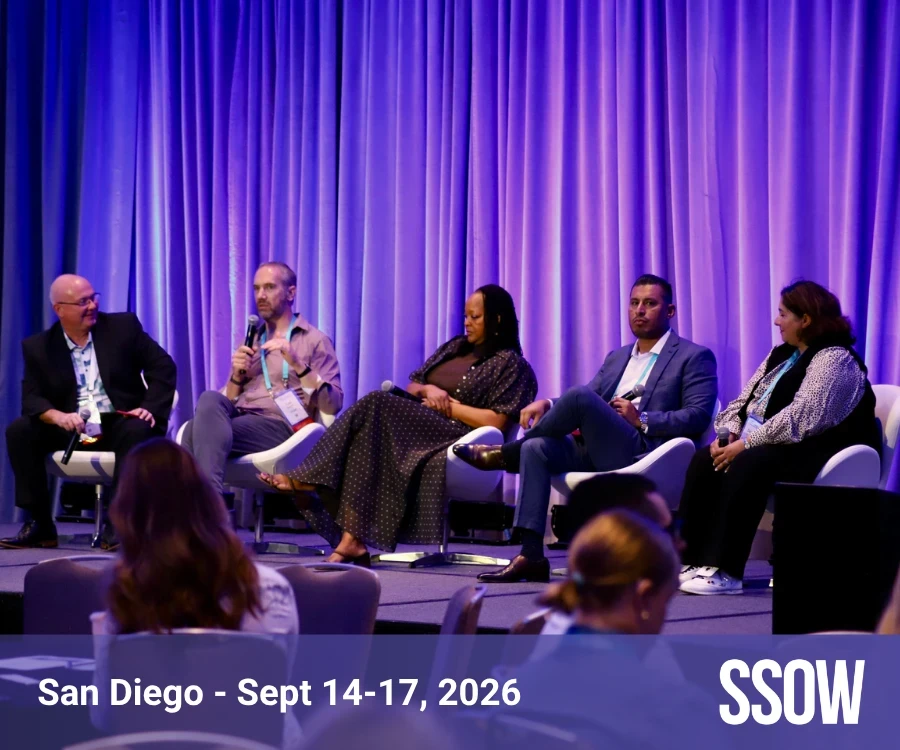
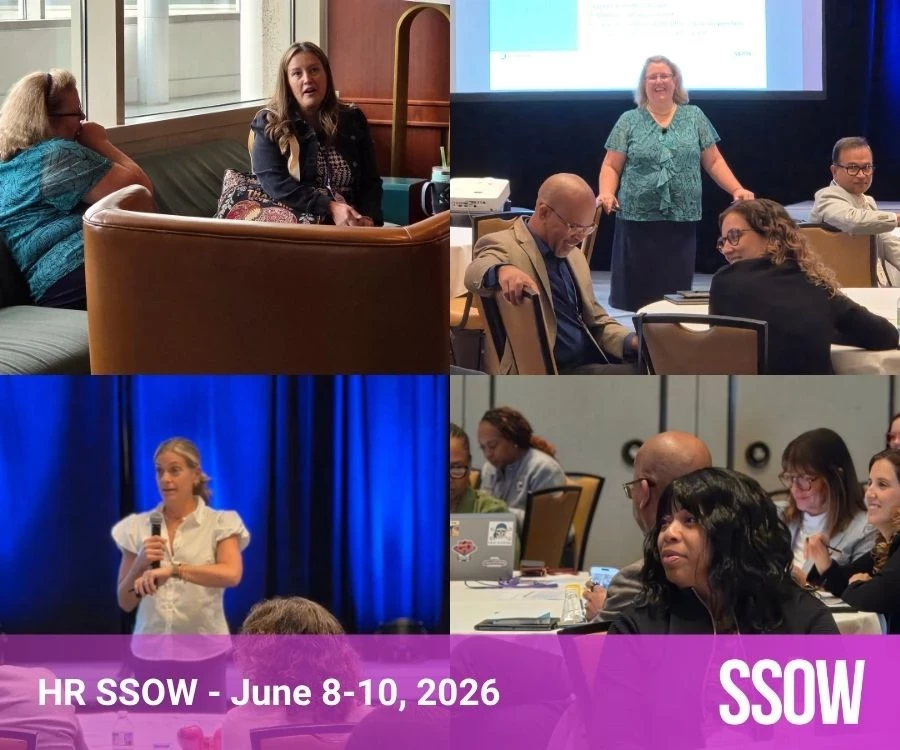
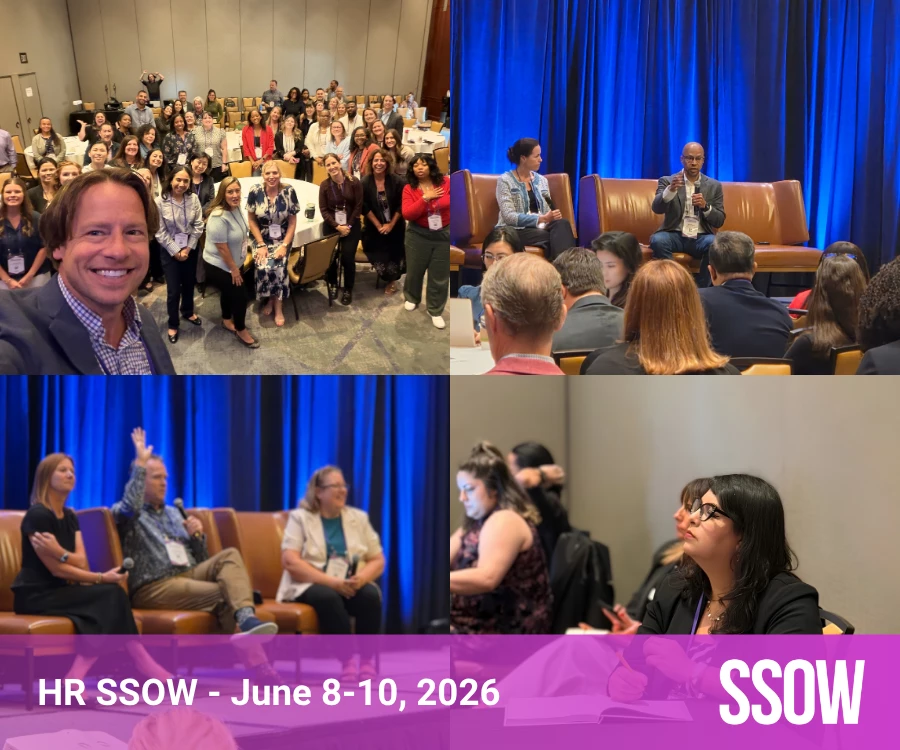
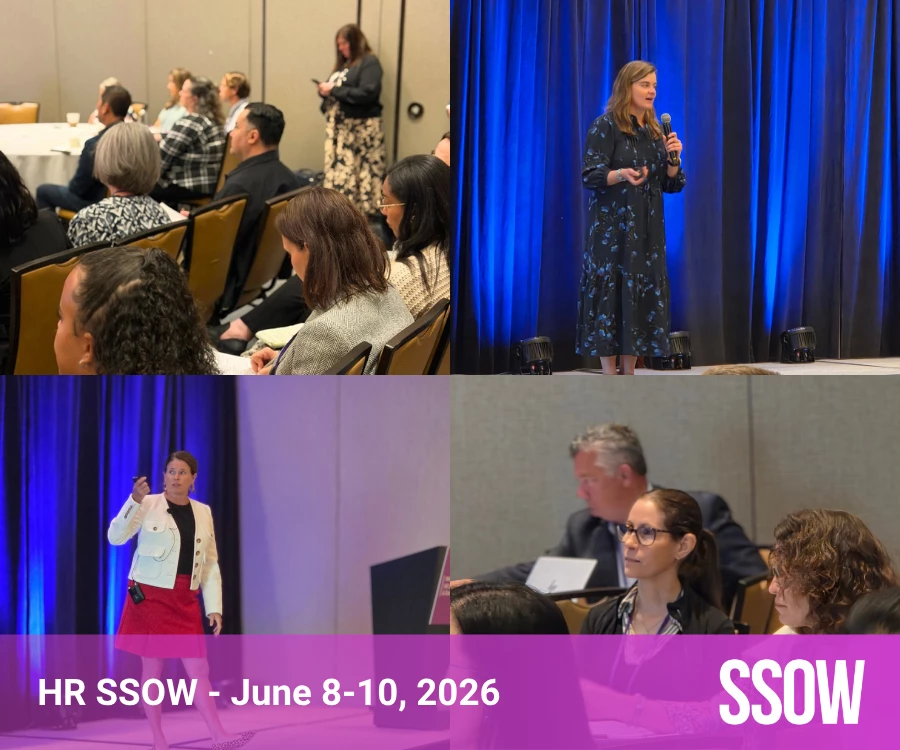
At the 2026 HR Shared Services & Outsourcing Week, HR leaders discussed how the function has become a pivotal force in helping organizations remain resilient by devising a more agile HR operating model. As BCG's Anthony Cheong noted, "There was never a back to normal moment – each phase layered on top of each other. How do you manage overlapping change?"
Why Traditional HR Models are Under Pressure
These building pressures are exposing the limitations of siloed HR operating models. As organizations seek greater efficiency through standardization and automation, employees continue to expect personalized support. HR leaders face a paradox: how do they increase control without sacrificing employee experience?
For Cheong, the answer lies in redesigning the HR operating model so one reinforces the other: "control and agility do not have to be at odds." HR models need to progress away from localized models that offer little scalability.
This is where governance becomes crucial. Too often, governance is treated as the enemy of speed, as Zundra Bryant from Cushman & Wakefield highlighted: "Everybody thinks governance slows you down, everybody thinks governance is bureaucratic […] It's not seen as an actual tool to accelerate. Governance doesn't have to be slow."
Sameer Andi adds that governance should not create more distance between HR and the employee: "If you subscribe to the idea that governance is an enabler, you can take everyone in your organization on that journey." It should mean creating clear decision rights, trusted data, common processes, and accountable service ownership.
In the most effective operating models, standardization creates the conditions for automation. Automation creates capacity. That capacity can then be redirected toward the moments that require human judgment.
Why AI Adoption is a Leadership Challenge
As AI adoption accelerates, organizations are reimagining how work gets done across the enterprise. Particularly with the rise of AI agents, roles and workflows are being fundamentally reshaped.
For HR teams, the challenge lies in creating a collaborative environment between humans and AI by building trust. The workforce needs to be enabled to adopt AI with safe opportunities for experimentation, transparent communication, and involvement in workflow redesign. For Cheong, "AI will reshape more jobs than it will replace. We need to move from fear to redesign." If employees fear that AI is a precursor to job loss, they are unlikely to engage with it.
HR leaders must also be careful not to measure success solely through transactional savings. An overemphasis on efficiency can lead to increasingly top-heavy operating models and the erosion of entry-level and administrative roles. If organizations automate away these foundational experiences without creating new development routes, they risk weakening their long-term talent pipeline.
The challenge for HR leadership is to unlock the productivity and service improvements that AI can deliver while ensuring work remains human-centered. As AJ Golden from Edgewell Personal Care summarized, "Technology isn't the hard part; it's the human reaction to the technology. People are seeing these technologies you are bringing in and asking, 'How do I fit in?'" Effective leadership ensures digital change sticks.
Why Data Credibility is Now HR Credibility
Qualcomm's Craig Funt identified another challenge at the heart of modern HR leadership: "How do we build credibility of the HR function as a whole?" In the increasingly unpredictable business environment, the answer lies in HR's ability to transform workforce data into actionable insights that help leaders make better business decisions.
Data storytelling is a core HR leadership capability – the function gains influence when it can connect metrics to business priorities and frame decisions in a way that is both commercially relevant and people-conscious.
Trusted data is the foundation of trusted HR. Before organizations can make confident workforce recommendations, they need clean and well-defined people data. This is especially important because HR holds some of the highest-risk information in the enterprise. As Bryant warned, "We have the most sensitive asset in an organization, the employee data. It can change the projection of someone's livelihood."
For HR leaders navigating turbulence, becoming better data storytellers is essential to building credibility and influencing strategy.
Why Empathy is the Most Important HR Skill
Employees bring uncertainty and personal concerns into every transformation, making HR's role about more than communicating change. As Golden explained, leaders must first build understanding: "Lead with understanding. Try to get a sense of what your teams are feeling about the new technology. It opens a door." HR teams need to create space for employees to ask questions and voice concerns.
Leadership through disruption is much more than governance or implementation plans. It is about moving teams from fear to confidence. As Golden noted, "Our vision is our North Star. Everyone is part of the movement because they understand the bigger picture." When employees understand the purpose behind transformation, engagement increases.
Ultimately, empathy is what makes strategy executable. By fostering trust, communicating purpose, and embedding support early, HR leaders can help transformation stick.
What Does Resilient HR Leadership Look Like?
The 2026 HR Shared Services & Outsourcing Week demonstrated how leading through disruption requires HR to become more:
- Adaptive
- Data-led
- Human-centric
That means building operating models that are scalable but still responsive, using data to tell stories that leaders can act on, and building the trust employees need to engage with transformation. It also means recognizing that HR's value is measured by the outcomes it enables for people and the business.
As ScottMadden's Courtney Jackson put it, HR leadership must ensure that "HR is not designed to benefit HR teams or practitioners, but benefit the wider business."