NOT JUST A CONFERENCE. A COMMUNITY.
18 - 21 May 2026 | Estoril Congress Center, Estoril, Portugal
SSOWOMEN Leadership Day & Excellence Labs: May 18th, 2026
SSOWOMEN Leadership Day
8:30 am - 9:30 am
REGISTRATION & NETWORKING BREAKFAST FOR SSOWOMEN LEADERSHIP DAY
9:30 am - 9:45 am
CHAIR’S WELCOME & SSOWOMEN LEADERSHIP DAY – THE POWER OF THREE
Deborah Kops -
Industry Influencer and Shared Services Expert,
Sourcing Change
Come prepared to write down:

9:45 am - 10:15 am
EMPOWERING WOMEN IN GBS: THE POWER OF SELF-ADVOCACY
Maria Saggese -
GBS Solution Lead Partner Global & Europe West,
EY
Carol Roncagliolo - Head of Global Shared Services, Barnes Group
Caroline Basyn - Chief Digital and Information Officer & Global Business Services Officer, The Adecco Group
In the fast-evolving world of GBS, women often encounter gaps in promotion, visibility, power, networking, and influence. This panel discussion will address these challenges head-on and provide practical strategies to help you take control of your career trajectory.
Join us as we uncover the barriers that limit advancement and share actionable insights to raise your profile, expand your network, and communicate with authority.
In this session, you will learn to:
• Enhance Visibility: Showcase your achievements so your contributions are recognized and valued
• Build Powerful Networks: Create connections that open doors for collaboration and growth
• Influence with Confidence: Speak like a leader—communicating with clarity, authority, and impact
• Lead with Presence: Learn how to show up with confidence and authenticity, making your leadership presence natural and impactful
Leave inspired and ready to champion yourself—and give back to those who supported you, creating a cycle of empowerment and mutual growth.





Caroline Basyn
Chief Digital and Information Officer & Global Business Services OfficerThe Adecco Group

10:20 am - 10:50 am
PANEL DISCUSSION: BUILDING A PIPELINE FOR GROWTH - DIVERSIFYING YOUR WORKFORCE
Dorit Shami -
Head of Finance GBS (Sr. Director),
Teva Pharmaceutical
Mira Viswanathan - Interim Programme Director - Business Services, PIB Group
Kamila Grembowicz - Head of Global Business Solutions, Astellas Pharma
Finding people who bring fresh ideas, perspectives, and the right energy isn’t always the hard part, creating places where they’re seen, supported, and able to grow can be just as challenging. Too often, our legacy ways of working unintentionally keep doors closed to those who could make us stronger. This discussion is about how we can all do better. We’ll talk honestly about what gets in the way, what’s working, and how to build a culture where everyone belongs and can see a future for themselves.
• Recognise bias where it hides and change the way you hire
• Create spaces where mentorship and belonging come naturally
• Set goals that hold you accountable, and inspire others to do the same
To close, you will need to define three tangible first moves that you will make to better build a diverse workforce.




10:55 am - 11:15 am
HOW TO FIND & USE MENTORS: QUICK- MATCH LAB
Ana Martins -
Head of GBS,
Syensqo
In this interactive session, you will be split into mentors and mentees (you choose). This session will start with an overview covering the role of a mentor and how you can make the most out of the right mentor. You will then have the opportunity to match with 3 potential mentors/ mentees, to help you to build trust-based relationships that drive long-term professional growth and visibility.
• Identify the right mentor by aligning career goals and expertise
• Accelerate development by setting clear, measurable mentoring objectives
• Strengthen relationships by building mutual trust and accountability
• Maximise results by transforming mentorship insights into tangible action


11:15 am - 11:45 am
NETWORKING BREAK
Ksenija Šetlere - Head of GBS Business Performance Management, Boehringer Ingelheim
Natalie Oetama - Head of Global Business Services, Akzo Nobel Nederland B.V.
Maria Luisa Manca - GBS Head of Product Supply & GBS Advisory, Bayer
Leadership expectations are changing thanks to globalisation, hybrid work, and technological disruption demand adaptability and authenticity. Yet, women still face visibility and confidence barriers in senior roles. This panel explores how resilience, empathy, and purpose-led leadership empower women to drive transformation and inclusivity across shared services and GBS.
• Strengthen influence by leading with authenticity and vision
• Build trust by balancing empathy with accountability
• Enhance visibility by communicating impact confidently
• Inspire teams by modelling inclusive leadership behaviours
• Create your own personal brand and be recognised as a leader in the GBS space






Constanze Nüsperling - SVP GBS Transformation, Friedhelm Loh Group
Ana Martins - Head of GBS, Syensqo
Elisa Adriana Vintila - Global Head of Transformation and Transitions - Financial Business Services, Allianz Services Romania
AI and technology face a global talent shortage, yet women remain underrepresented due to systemic barriers, confidence gaps, and myths about talent scarcity. With IT remaining an isolated function, it is more cruicial than ever to hire leaders who can communicate cross-functionally and effectively implement AI globally. This panel discussion explores how to recognise women’s strengths, break cultural and structural barriers, and design effective upskilling and retention strategies.
• Build stronger pipelines by challenging the “women are hard to find” myth with targeted outreach
• Increase representation by redesigning recruitment and promotion practices for inclusivity
• Boost innovation by leveraging women’s multitasking, efficiency, and collaboration strengths
• Strengthen retention by creating tailored upskilling and mentorship pathways



Elisa Adriana Vintila
Global Head of Transformation and Transitions - Financial Business ServicesAllianz Services Romania

Julie Ayres-Smith - Global Finance Lead GBS, Copeland
These roundtable sessions are designed to foster stronger connections amongst the female leaders in shared services and GBS industry, providing an environment to share, learn and inspire.
THEME ONE: BUILDING ALLIES
Julie Ayres-Smith, Global Finance Lead GBS, Copeland
THEME TWO: LEADING WITH AUTHENTICITY
Dorota Zablocka, Head of global business services EMEA, Randstad Enterprise



Irina Ciucioi - Global Executive Leader, Previously at Goodyear
These roundtable sessions are designed to foster stronger connections amongst the female leaders in shared services and GBS industry, providing an environment to share, learn and inspire.
THEME THREE: CAREER PATH
Mariana Souza, Head of Budapest Hub, Opella
THEME FOUR: SUPPORTING YOUR PHYISICAL & MENTAL WELLBEING
Irina Ciucioi Badea, Global Executive Leader

12:50 pm - 1:05 pm
REVIEW OF SSOWOMEN’s LEADERSHIP DAY – THE POWER OF THREE
Deborah Kops -
Industry Influencer and Shared Services Expert,
Sourcing Change
For the last 10 minutes of the day, we will be bringing back those initial Power of Three statements from the first session and reflecting on our goals for the day. Next to your original answers, you will be asked to write down one answer for each and share these with your table.
As a final task, you will have to commit to one action that you will implement after SSOW Europe. Make sure you write it down, you never know when we might check-in to see the progress you’ve made.
1:05 pm - 3:00 pm
SSOWOMEN LEADERSHIP DAY NETWORKING LUNCH
EXCELLENCE LABS
GPO EXCELLENCE LAB: S2P & P2P
2:00 pm - 2:30 pm CASE STUDY: TRANSFORMING PROCURE-TO-PAY: AKZONOBEL’S DATA-DRIVEN JOURNEY TO GLOBAL PRODUCTIVITY AND VALUE Andreas Amrein - Global Process Owner and Global Process Delivery Lead P2P, AkzoNobel Nederland B.V.This session shares the end-to-end transformation of AkzoNobel’s Procure-to-Pay landscape: How a new finance automation software implementation supported the journey from fragmented SAP systems and invoice workflows, low on-time payment performance, and a BPO-driven setup to a single global I2P application with higher automation and productivity. It will highlight how standardized processes, integrated technology, and a data-driven operating model enabled continuous automation improvements, data-based value cases for the P2P organization.
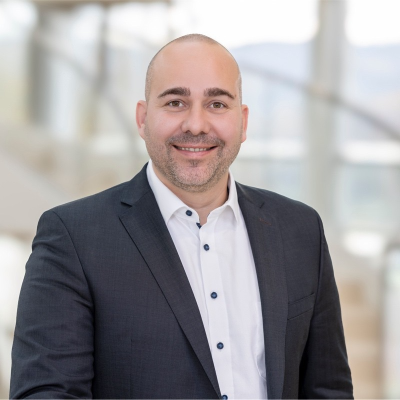
Andreas Amrein
Global Process Owner and Global Process Delivery Lead P2PAkzoNobel Nederland B.V.

GPO EXCELLENCE LAB: S2P & P2P
2:30 pm - 3:00 pm PANEL DISCUSSION: EVOLVING THE GPO ROLE IN P2P AUTOMATION - DRIVING END-TO-END VALUE THROUGH STRATEGIC PROCESS OWNERSHIP Sara Cattaneo - Head of Procure to Pay Process Excellence and Digitalization, ABBAs digital transformation accelerates across finance and procurement, the role of GPOs is expanding from standard-setters to strategic enablers. In the context of P2P automation, GPOs face the challenge of unifying fragmented workflows, overcoming legacy system limitations, and fostering cross-functional collaboration. This session will explore how GPOs can harness automation and data-driven insights to lead true end-to-end process transformation, delivering not just efficiency, but measurable business value.

GPO EXCELLENCE LAB: S2P & P2P
3:00 pm - 3:30 pm CASE STUDY: STANDARISING & SCALING INVOICE AUTOMATION & E-INVOICING UP TO 85% Vasco Monteiro - P2P BPO global lead, Sodexo Business ServicesGlobal P2P leaders face mounting complexity as governments mandate diverse e-invoicing models, each with unique technologies and unclear responsibilities between buyers and sellers. At the same time, GPOs must scale automation, onboard suppliers effectively, and balance global standards with local compliance. This session explores how shared services can navigate fragmented regulations, drive automation from 65% to 85%+, and build a sustainable framework for supplier collaboration and technology enablement.


GPO EXCELLENCE LAB: O2C
2:00 pm - 2:30 pm PANEL DISCUSSION: WHAT DOES END-TO-END REALLY LOOK LIKE FOR A GPO? Monika Miksakova - Finance Director - GPO, AdientAndras Kohl - Head of Finance Business Services - CE, Tesco Business Solutions
Ankit Singla - Director | UK&I Consulting, EY
Mariana Souza - Head of Budapest Hub, Opella Commercial Healthcare
As businesses push for seamless, end-to-end process ownership, the role of Global Process Owners (GPOs) remains under scrutiny. But what does end-to-end really look like from a strategic perspective? This panel will discuss how to truly deliver an end-to-end strategy, aligning goals and KPIs that strive for real process efficiency and not functional success.
• Drive true process ownership by aligning GPOs with enterprise-wide objectives, not just GBS KPIs
• Break down silos by establishing models that connect GPOs with business stakeholders
• Gain executive buy-in by demonstrating how end-to-end ownership improves efficiency and outcomes
Sponsored by: Ernst & Young




GPO EXCELLENCE LAB: O2C
2:30 pm - 3:00 pm CASE STUDY: GLOBAL ERP MIGRATION - STRATEGIES FOR SUCCESSFUL IMPLEMENTATION Tracey Bentley - Global Process Owner - Order To Cash, AtkinsRéalisImplementing a new ERP system across a multinational organization is one of the most complex transformation journeys a business can undertake. Standardising operations while driving adoption requires thoughtful rollout strategies, strong change management, and consistent executive support. In this session, discover the practical lessons learned from leading a multi-region Oracle ERP migration spanning the UK, Middle East, Canada, and Asia-Pacific.
• Achieve smoother rollouts by phasing deployments regionally
• Drive adoption by tailoring change management to cultural contexts
• Ensure standardisation by aligning global processes early
• Secure buy-in by engaging executives and local leaders


GPO EXCELLENCE LAB: O2C
3:00 pm - 3:30 pm CASE STUDY: MAXIMISING THE GPO IMPACT TO STREAMLINE PROCESSES AND PREVENT CASH LEAKAGE Richard Varga - Former Global Lead to Cash Transformation, Mars Global ServicesAchieving end-to-end process efficiency requires a deep understanding of the impact across the Order to Cash (O2C) cycle and identifying reasons for underperformance. This session will explore how Mars has transformed their GPO role from an operational focus to strategic leadership, aiming to identify and prevent revenue loss both internally and externally.
• Leverage insights from process mining tools to continuously integrate improvements into the organisations GPO framework
• Discover the importance of a holistic view of your organisations processes in identifying areas of lost revenue
• Uncover best practices for developing policy and process frameworks that ensure sustained cash flow improvements
SERVICE DESIGN & EXPERIENCE LAB
2:00 pm - 2:30 pm KEYNOTE PANEL: SERVICE MANAGEMENT AS THE NEXT FRONTIER OF SHARED SERVICES TRANSFORMATION Lizzy Bowling - Executive Director, Head of Strategy and Service Management Global Business Services, Astellas Pharma Europe
Lizzy Bowling
Executive Director, Head of Strategy and Service Management Global Business ServicesAstellas Pharma Europe

SERVICE DESIGN & EXPERIENCE LAB
2:30 pm - 3:00 pm EVOLVING SERVICE DELIVERY MODELS TO ENHANCE CUSTOMER-CENTRICITYSERVICE DESIGN & EXPERIENCE LAB
3:00 pm - 3:30 pm PANEL DISCUSSION: USING TECHNOLOGY TO REINVENT SERVICE EXPERIENCEAGENTIC AI SHOWCASE LAB
2:00 pm - 2:30 pm THE BUSINESS CASE FOR AGENTIC AI BEYOND COST EFFICIENCY: RISK, SPEED AND COMPETITIVENESS Dr. Frank Schüler - Managing Director Global Service Center, DHL Global Forwarding and Freight

AGENTIC AI SHOWCASE LAB
2:30 pm - 3:00 pm AGENTIC AI CASE STUDY IN MICROSOFT HR OPERATIONSAGENTIC AI SHOWCASE LAB
3:00 pm - 3:30 pm BUILDING AI-NATIVE OPERATIONS: A CASE STUDY FROM HUMAINHR & PEOPLE SERVICES LAB
2:00 pm - 2:30 pm CASE STUDY - BEYOND SERVICE DELIVERY: THE EXPANDING ROLE OF HR SHARED SERVICES IN ENTERPRISE TRANSFORMATION Claudia Petrocchi - Vice President of Employee Experience and Services, CSLEnterprise-wide transformations have become the norm, demanding new levels of agility from HR. Leaders must balance efficiency with employee expectations and requirements through times of change. Traditional HR Shared Services models, centred on cost and process, are no longer sufficient.
Explore CSL's ongoing journey to expand the HR function—building capabilities that fuel business transformation and workforce growth, while progressively moving beyond service delivery toward becoming a strategic partner.
• Laying the groundwork for better employee experiences by increasingly putting people, not processes, first
• Progressively elevating HR’s role by positioning HRSS as a growing partner in enterprise change
• Beginning to leverage synergies within the extended shared services environment to imbed an operational excellence mindset and prepare for scalability


HR & PEOPLE SERVICES LAB
2:30 pm - 3:00 pm CASE STUDY: FROM EFFICIENCY TO RESILIENCE: A ROADMAP TO TRULY GLOBAL HR Sabine Weihbrecht - Director HR Service Centre Western Europe, BoschAude Lirzin - Senior Manager HR Shared Services, Robert Bosch
Ana Luís Pereira - Senior Manager People Acquisition Campus, Bosch Portugal
Global HR is at a crossroads. Organisations dream of seamless, end-to-end processes, but reality is messy, fragmented systems. Local laws, and cultural differences stand in the way. For long, the answer was efficiency. But optimizing for a perfect, predictable world has created fragile systems that break under pressure. The true breakthrough isn't just new technology, it's a new mindset.
In this session, we explore how to move beyond chasing efficiency and instead architect a system that is not only compliant and cost-effective, but truly future-ready. Join us to discover how to build HR processes that are designed to thrive in a world of constant change.
• Achieve scalability by building a strong 'Global Core' that serves as a stable foundation for growth.
• Achieve compliance by architecting a 'Global by Default, Local by Exception' model
• Achieve efficiency by using intelligent automation to build operational resilience
• Achieve transformation by embedding a culture of resilience that empowers your team and makes change stick



HR & PEOPLE SERVICES LAB
3:00 pm - 3:30 pm INTERACTIVE DISCUSSION GROUP: ENHANCING THE EMPLOYEE EXPERIENCE THROUGH AI-DRIVEN TALENT MANAGEMENTThe world of work is changing fast. Employees are struggling to stay ahead, career paths are uncertain, and engagement drops when development in unclear. In this discussion group, you’ll explore how to enhance the employee experience through smart, AI-powered solutions that personalise learning, spot skill gaps, and guide people into roles where they can shine.
· Work together to identify skill gaps by leveraging AI-driven analytics
· Personalise learning paths by deploying adaptive AI learning platforms
· Enhance internal planning/ forecasting by matching employees to roles with AI recommendations
· Improve engagement and retention by using AI for real-time insights and recognition
· Forecast future skill needs by analysing trends with predictive AI models
Who should attend?
R2R LEADERS EVENT (Invite only) - Redwood
2:00 pm - 2:30 pm R2R EFFICIENCY MIRAGE RESEARCH FINDINGSWhy finance believes it has automated — and why the close tells a different story
This opening session presents new global research examining the gap between perceived and actual Record-to-Report automation. It reveals where organisations believe automation is embedded, yet still rely on manual intervention, spreadsheets and late adjustments to complete the close. The session surfaces where R2R programmes stall, why fragmentation persists and what this means for leaders responsible for reliability, control and scale.
Presented by: SSON Research & Analytics
In collaboration with: Redwood Software
Sponsored by: Redwood

R2R LEADERS EVENT (Invite only) - Redwood
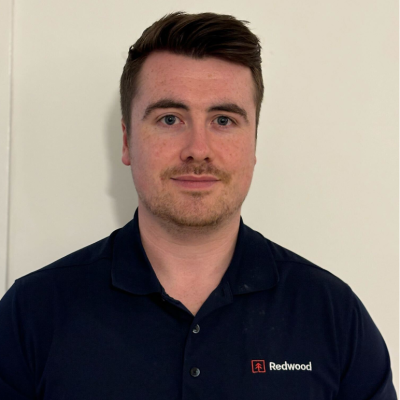
2:30 pm - 3:00 pm JOURNALS ARE NOT THE WORK Aaron Veach - Executive Director, EMEA Finance Transformation, RedwoodChris Kier - Solutions Engineer, Redwood Software
What accruals, provisions and reclassifications really reveal about R2R health
This session reframes journals as signals of upstream breakdown, not finance activity to be optimised. It explores why high journal volumes persist even in “automated” environments and how accruals, provisions and reclassifications point to failures in timing, data and control design. The session shows how orchestration and preventative controls inside SAP reduce journals to true exceptions — improving close predictability, audit confidence and finance capacity.
Presented by: Redwood Software
Aaron Veach, Executive Director, Finance Automation, Redwood Software
Chris Kier, Solutions Engineer, Redwood Software
.
Sponsored by: Redwood



R2R LEADERS EVENT (Invite only) - Redwood
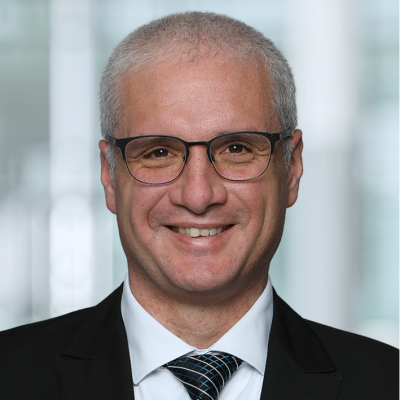
3:00 pm - 3:30 pm CONSOLIDATING R2R AT ENTERPRISE SCALE Volker Merkel - Partner, KPMG AGFrom fragmented automation to governed, SAP-native orchestration
As SAP landscapes evolve, many enterprises discover that Record-to-Report automation has grown organically — with local schedulers, scripts, legacy tools and spreadsheets layered across shared services and regions. The close completes, but the underlying architecture lacks transparency, governance and scalability.
This session examines how large SAP-centric organisations are rationalising fragmented automation and consolidating execution onto a governed, SAP-native orchestration layer. Drawing on real transformation programmes across global enterprises, it explores how leaders assessed tool sprawl, quantified risk and run-cost inefficiencies, and built a credible, ROI-driven case for consolidation.
The discussion will focus on practical design decisions: establishing enterprise templates and control gates, preserving local accountability within global standards, enabling engineering teams, and sequencing change without destabilising the close.
Attendees will gain a grounded perspective on what enables — and what delays — value realisation in large-scale R2R consolidation, and how to position platform governance as a measurable cost-reduction and value-creation initiative rather than a technology migration.
Why attend
• Hear how BASF assessed its R2R landscape and built a credible, ROI-driven case for platform consolidation
• Understand how replacing legacy tools with SAP-native orchestration improved close performance and reduced IT run-costs, risk and tool sprawl
• Learn how KPMG provided end-to-end advisory support — from scoping and configuration through to engineering enablement
• See how standardised templates and control gates preserved local accountability while enforcing enterprise-wide consistency
• Take away a practical perspective on positioning R2R consolidation as a measurable value-creation initiative that sets the foundation for future scalability
Sponsored by: Redwood

3:30 pm - 4:00 pm
AFTERNOON NETWORKING BREAK
EXCELLENCE LABS
GPO EXCELLENCE LAB: S2P & P2P
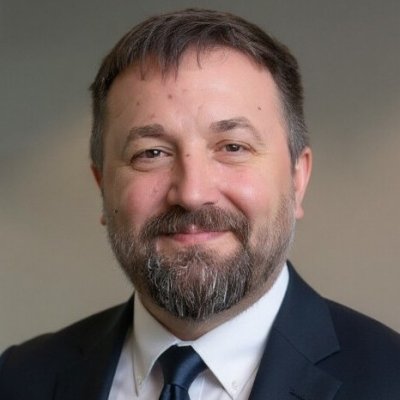
4:00 pm - 4:30 pm PANEL DISCUSSION: THE GPO DILEMMA - OWNING THE PROCESS: STRATEGY, DELIVERY, OR BOTH Samir Kazi - Head of Transformation and Transition & Global Process Owner: Source-to-Pay, Clariant ServicesMike Asberg - Global Process Owner and Source to Pay, The Kraft Heinz Company
Radu Bailau - Head of Procurement Governance and Digitalization Global Process Owner, Ammega
Gabriela Stanakova - Senior Director, GBS Source To Pay Global Operations, Kimberly-Clark
The Global Process Owner role often straddles two worlds: shaping the future of Procure-to-Pay or ensuring flawless day-to-day execution. This panel examines the tension between strategy and delivery, highlighting the risks of leaning too far in one direction. Gain insights from diverse perspectives on where GPOs create the most value, and how to shape the role to fuel transformation, build operational trust, and deliver lasting business impact.

Samir Kazi
Head of Transformation and Transition & Global Process Owner: Source-to-PayClariant Services






GPO EXCELLENCE LAB: S2P & P2P
4:30 pm - 5:00 pm BREAKING THE BOTTLENECK: HOW SAMUEL, SON & CO TRANSFORMED SUPPLIER EXPERIENCES WITH AI Dana Frape - Manager, Financial Shared Services, Samuel, Son & Co.Strong growth and a 170-year legacy left the AP team at Samuel, Son & Co. overwhelmed and frustrated. With 100+ supplier emails per day and a team stretched thin, supplier responses were often rushed, and inquiries frequently escalated to management. The breakthrough came when they implemented AI, specifically AI-powered supplier responses. In this session, project lead and Manager of Financial Shared Services, Dana Frape, shares their story, delving into:
• Responding to vendors in real-time utilizing AI
• Test-smart, go-live carefully: How to overcome internal resistance
• The impact and results of the project
• AP as a testbed for broader AI implementations
Sponsored by: Medius



GPO EXCELLENCE LAB: O2C
4:00 pm - 4:30 pm CASE STUDY: EXTENDING YOUR PROCESS OWNERSHIP TO THE REST OF THE ORGANISATION Damilola Atoyegbe - Finance Manager, EMEA Regional Process Owner C2C, Baxter International Inc.The GPO role doesn’t just look at process improvement; a crucial skill is the ability to manage these changes from end-to-end. If you can’t get your teams onside to want to change, then you’ll be facing an uphill battle from the start. Baxter International, recently transitioned from a shared services to a GBS model, with a focus on standardising data for improved financial visibility, enhancing agility, and aligning the global business with organisational goals. A key enabler of this transformation were the GPOs, who provided oversight, managed change effectively, and defended critical decisions. Though transformation is never easy, Baxter’s dynamic and knowledgeable approach has ensured a smooth transition to GBS. This session explores how to effectively manage change globally and ensure that your key stakeholders are bought into these decisions, for a smooth and successful transformation.
• Enhance financial visibility by standardising data and eliminating inconsistencies across global operations
• Ensure a smooth transformation by leveraging GPOs for oversight and decision-making
• Minimise disruption by implementing structured change management strategies and clear communication
• Strengthen credibility in decision-making by equipping leaders with the knowledge and tools to drive transformation effectively

Damilola Atoyegbe
Finance Manager, EMEA Regional Process Owner C2CBaxter International Inc.

GPO EXCELLENCE LAB: O2C
4:30 pm - 5:00 pm CASE STUDY: BUILDING AND IMPLEMENTING AND O2C GPO ROLE: A PRACTICAL JOURNEYCreating a GPO role from scratch can feel like stepping into the unknown. In this case study session, hear the practical journey of setting up an efficient and effective GPO function. Learn how to define the role, prioritise early wins, build governance, and embed standards that stick, turning a blank slate into a function that drives clarity, efficiency, and measurable results across your global O2C operations.
• Define the GPO role clearly to set expectations from day one
• Identify and deliver high-impact first-year priorities
• Build governance that supports consistent O2C processes
• Standardise and streamline operations for efficiency
SERVICE DESIGN & EXPERIENCE LAB
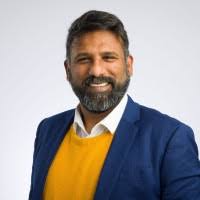
4:00 pm - 5:00 pm A MINI WORKSHOP TO DEMYSTIFY SERVICE MANAGEMENT: FRAMEWORKS, PRINCIPLES AND BEST PRACTICES Salvo Russo - Head of Strategy, GBS, AstraZenecaJames Michael David - GBS Strategy Director, AstraZeneca


AGENTIC AI SHOWCASE LAB
4:00 pm - 4:30 pm EMBEDDING AI READINESS: BUILDING DATA LITERACY, FUTURE-READY SKILLS AND A TRANSFORMATION MINDSET Alexandru Grigoreanu - Head of RBFS (Retail Banking & Financial services), Societe Generale Global Solution Centre India & Romania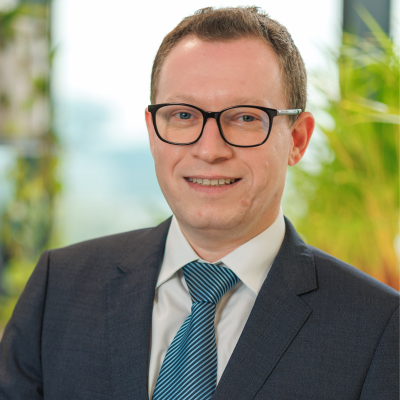
Alexandru Grigoreanu
Head of RBFS (Retail Banking & Financial services)Societe Generale Global Solution Centre India & Romania

AGENTIC AI SHOWCASE LAB
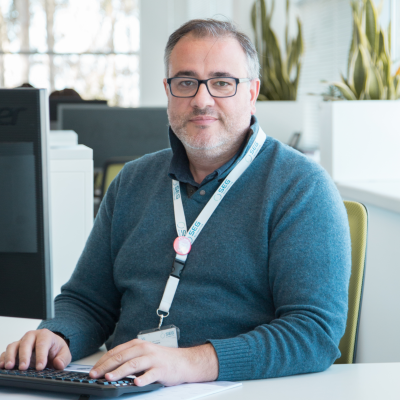
4:30 pm - 5:00 pm PANEL DISCUSSION: SCALING AGENTIC AI: ROADMAP, GOVERNANCE AND ECOSYSTEM INTEGRATION Dr. Frank Schüler - Managing Director Global Service Center, DHL Global Forwarding and FreightVladimiro Ferreira - Head Automation COE & IT Services Portugal, SEG Automotive

HR & PEOPLE SERVICES LAB
4:00 pm - 4:30 pm FIRESIDE CHAT: DRIVING TOWARDS A SKILLS-BASED ORGANISATION Anna Wijatkowska - EMEA HR Business Services Director, PPGWith the pace of change accelerating, the traditional experience-based talent model is no longer sufficient. Future-ready organisations need to base people decisions on skills more than jobs, and having a scalable, manageable, and more equitable way of operating. A skills-based organisation turns talent management on its head, redefining and reimagining every talent practice to be based more on skills than on jobs and setting a new direction for the future of work: agile, tech-enabled and democratised. This is no longer a vision, but a mission and reality set in motion within pioneering GBS organisations.
• Building a skills-based organisation to be able to anticipate and effectively respond to new capability building initiatives
· Shift the focus from jobs to skills – what are the key steps?
· Redeploying resources impacted by the automation of transactional activities and processes


HR & PEOPLE SERVICES LAB
4:30 pm - 5:00 pm PANEL DISCUSSION - RESKILLING & UPSKILLING GBS TO KEEP PACE WITH THE SPEED OF AI Pete Saunders - Director of People Services, Rolls-RoyceLeonardo Marinelli - Global Head of HR Services & Solutions / HR Transformation Leader, Clariant
Laura Pui-Moldovan - Director, Human Resources Operations, Adidas
By 2030, it’s expected that half of today’s entry-level corporate roles could disappear as Agentic AI reshapes the workforce. For shared services and GBS organisations, it’s not just about keeping pace with fast-moving technology; it’s about enabling employees to be agile, adaptive, and ready for the future. Success will depend on embedding continuous learning and reskilling strategies that enable teams to adapt, evolve, and deliver higher-value services in an AI-driven world.
· Design continuous learning pathways that prepare teams to shift into higher-value roles as automation scales
· Harness AI-enabled learning platforms to deliver personalized, fast, and scalable training across global operations
· Engage employees early in the transformation journey to drive adoption, reduce resistance, and build confidence
· Use workforce skills data to guide redeployment, hiring, and career development decisions across shared service



Leonardo Marinelli
Global Head of HR Services & Solutions / HR Transformation LeaderClariant


R2R LEADERS EVENT (Invite only) - Redwood
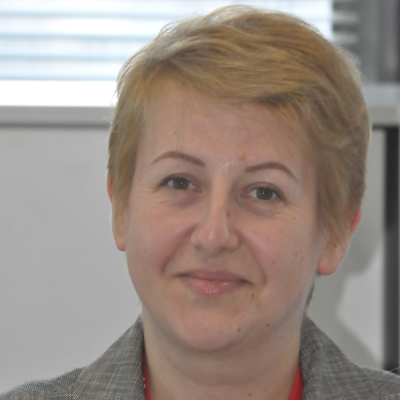
4:00 pm - 4:30 pm CASE STUDY: MAKING JOURNALS AND BALANCE SHEET ACCOUNT RECONCILIATION WORK TOGETHER Anke Steffen - FSL Accounting & Finance, Merck GroupMichaela Benner - Global Process Owner R2R General Accounting, Merck Group
Tanja Scheuermann - Transformation Finance Manager, Merck Group
How Merck is tackling Record-to-Report complexity by fixing accruals at the source
As part of its Record-to-Report transformation, Merck Group confronted a hard truth: accruals had become one of the most manual, fragmented and effort-intensive parts of the close, driving complexity, rework and operational risk at global scale.
In this session, Merck shares how it assessed its R2R landscape alongside Redwood Finance Automation and implementation partner KPMG, and why accrual-related journal entries emerged as the primary source of close inefficiency. They explain where traditional automation approaches fell short, how balance sheet reconciliation made the true cost of manual accruals visible, and why simplifying accrual execution became the logical starting point for broader R2R transformation.
This is a candid view of real decision-making, sequencing and in-flight progress.
Why attend
• Hear how Merck evaluated its Record-to-Report challenges and set priorities
• Understand why accrual journals drove disproportionate manual effort and complexity
• Learn how balance sheet reconciliation surfaced structural issues such as fragmented ownership and late adjustments
• See why fixing accrual execution came before scaling automation across the close
• Take away practical insight into reducing R2R complexity without over-promising outcomes
Sponsored by: Redwood




R2R LEADERS EVENT (Invite only) - Redwood
4:30 pm - 5:15 pm PANEL DISCUSSION: ENABLING AI-READY R2RPreparing the close for what comes next
The closing panel explores how AI and advanced automation can be successfully introduced into Record-to-Report, and why their impact depends on strong foundations across process, control and data. Rather than debating AI’s role, the discussion focuses on how organisations can prepare their R2R environments to benefit from it safely and at scale, without destabilising the close.
Panelists will discuss how journal discipline, balance sheet account reconciliation integrity, orchestration and standardisation create the conditions for AI to add real value in finance operations.
Sponsored by: Redwood
R2R LEADERS EVENT (Invite only) - Redwood
5:15 pm - 5:30 pm END OF R2R LEADERS EVENTThank you for joining Redwood’s R2R Leaders Event at SSOW Europe!